


 Play store

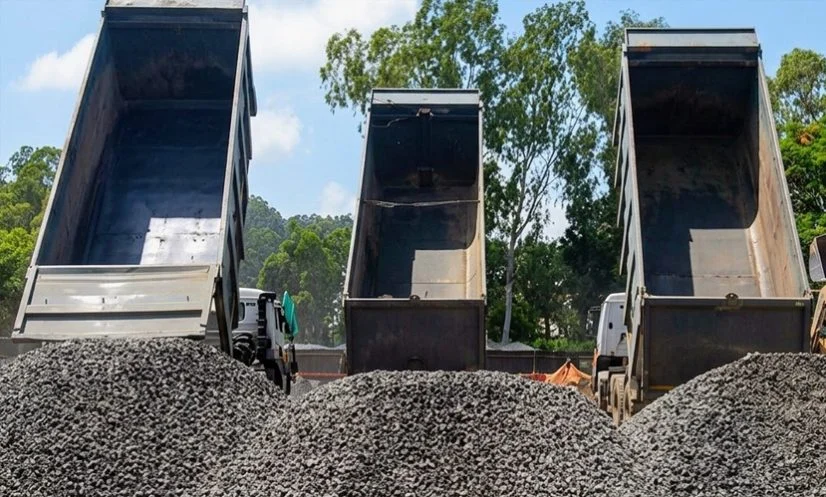
Stone imports from India through the Hili Land Port in Dinajpur have resumed after being suspended for more than five and a half years, raising hopes among traders, transport operators and port workers for a revival of business activities.
During July 27 and 28, a total of 1,000 metric tons of stone entered Bangladesh in 27 Indian trucks, marking the first significant stone shipment through the port since imports were halted. The resumption is expected to boost commercial activities at one of the country’s key land ports, where trade volumes have declined sharply in recent years.
On July 27, 21 trucks carrying 839.98 metric tons of stone crossed into Bangladesh through the Hili Land Port. Six additional stone-laden trucks were waiting on the Indian side for customs clearance on the same day.
The following day, July 28, another six trucks delivered 240 metric tons of stone, bringing the two-day total to 27 trucks and 1,000 metric tons.
The shipment was imported by Messrs Max Infra, which sourced the stone from the Pakur region of Bihar, India. Company representatives said the imported stone would be supplied to highway construction projects in Dhaka, Sylhet and other parts of the country, where demand for high-quality construction materials remains strong.
According to records maintained at the Hili Land Port’s Zero Point tally office, 48 Indian trucks carrying 12 categories of goods, including stone, entered Bangladesh on July 27 with a combined cargo of 1,554.21 metric tons. On the export side, Bangladesh sent 7,665 kilograms of goods to India in two trucks.
Trade continued on July 28 with imports of 894.117 metric tons of goods, including stone, in 27 trucks covering 10 product categories. Exports also improved, with 13 Bangladeshi trucks carrying 81,391 kilograms of goods across the border into India.
Md. Shahinur Islam Shahin Mondal, general secretary of the Banglahili C&F Agents Association, said Hili was once regarded as Bangladesh’s second-largest land port in terms of trade volume. However, import and export activities have declined considerably in recent years.
“The resumption of stone imports after such a long period has created renewed optimism among traders,” he said, adding that stakeholders are working to restore the port’s previous level of activity and attract more cross-border trade.
Port workers also welcomed the development, saying reduced trade had severely affected their livelihoods.
Rahul, a labor supervisor at the port, said the decline in import and export activities had significantly reduced workers’ incomes. He expressed hope that the return of stone imports would increase cargo handling and generate more employment opportunities.
Another worker, Tozammel Hossain, said the port once employed between 600 and 700 laborers on a regular basis. Due to the prolonged slowdown in trade, many workers left the area in search of jobs elsewhere, leaving only around 100 to 150 laborers currently working at the port.
Stone imports through Hili Land Port were suspended in 2022 following several operational challenges, including increased parking charges, restrictions on overloaded trucks and other logistical complications. The lengthy suspension had a significant impact on businesses dependent on the stone trade as well as workers whose livelihoods relied on cargo handling.
With imports now resuming, traders and port authorities are optimistic that commercial activity at Hili Land Port will gradually recover. They believe the return of stone shipments will not only strengthen the port’s import-export operations but also contribute to regional economic activity by creating jobs and supporting infrastructure development projects across Bangladesh.