Play store

The United Nations has issued a stark warning that climate change is pushing the world into a state of escalating emergency, with climate-driven disasters reaching “nightmare proportions” as global temperatures continue to rise and extreme weather events become more frequent and destructive.
UN Climate Change Executive Secretary Simon Stiell said the world is witnessing the devastating consequences of humanity’s continued dependence on fossil fuels, warning that the climate crisis is no longer a distant threat but a daily reality affecting billions of people.
“The climate alarm is blaring from every direction,” Stiell said in a statement on Tuesday.
“With the mercury set to soar again this week, the awful costs of this climate crisis, both human and economic, are now reaching national emergency levels,” he added.
Stiell blamed the worsening climate emergency on the continued burning of vast quantities of coal, oil and natural gas, saying overwhelming scientific evidence shows that human activity is accelerating global warming.
According to the UN climate chief, rising global temperatures are making prolonged heatwaves, catastrophic floods, devastating wildfires and increasingly powerful storms more frequent, more intense and significantly more costly. He stressed that the solution is equally clear.
“We must leave coal, oil and gas behind faster, rapidly expand renewable energy, and protect the people and communities already suffering the worst impacts of climate change,” he said.
Stiell also called on wealthier nations to provide greater financial and technological support to vulnerable developing countries, many of which are already on the frontline of climate impacts despite contributing little to global greenhouse gas emissions.
The warning comes as several countries continue to experience extreme weather.
Japan is enduring one of its most severe heatwaves on record, with temperatures reaching or exceeding 40 degrees Celsius for an unprecedented number of consecutive days. Authorities have issued repeated heat alerts as hospitals report rising numbers of heat-related illnesses, particularly among the elderly.
Meteorologists warn that prolonged extreme heat is placing enormous pressure on public health systems, electricity supplies and agriculture.
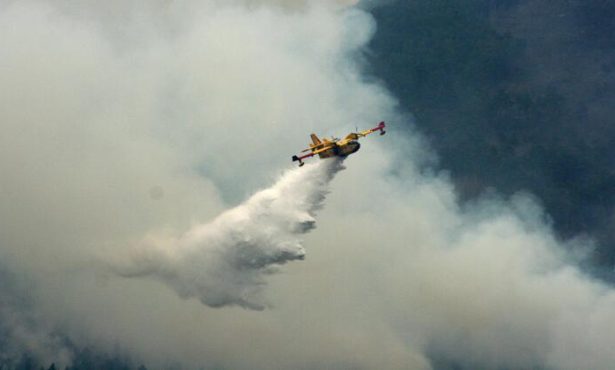
The World Meteorological Organization (WMO) also highlighted the growing threat posed by wildfire smoke, warning that massive fires are increasingly becoming a global public health issue rather than merely a local environmental disaster.
In 2023, smoke from Canada’s record-breaking wildfires spread across the northeastern United States before crossing the Atlantic Ocean into Europe, demonstrating how wildfire pollution can travel thousands of kilometres.
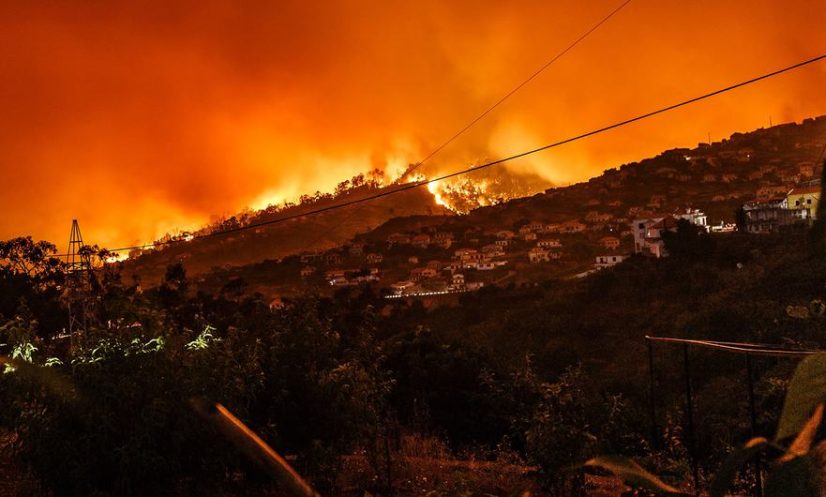
This summer, Canadian wildfires have once again blanketed parts of New York State in thick orange smoke, prompting widespread air quality alerts and health warnings.
The WMO noted that wildfire smoke can cross national borders, oceans and even continents, making international monitoring and forecasting increasingly important.
The UN weather agency stressed that accurate monitoring, forecasting, cross-border data sharing and timely early warning systems are becoming essential tools for protecting lives, livelihoods and ecosystems from the growing impacts of wildfires.
Through its Early Warnings for All initiative, the WMO is working with governments to strengthen fire-weather forecasting, improve international cooperation and establish standardised early warning systems that enable communities to prepare for extreme weather and wildfire events before they become catastrophic.
Scientists have repeatedly warned that the frequency and intensity of extreme weather events will continue to increase unless global greenhouse gas emissions are reduced rapidly.
The UN says accelerating the transition to renewable energy, protecting forests, strengthening climate resilience and expanding international cooperation are essential to limiting future warming and preventing climate-related disasters from becoming even more severe.
As record-breaking heat, destructive wildfires and extreme weather continue to affect countries across the globe, UN officials say the world can no longer afford delayed action, warning that every year of inaction increases both the human and economic costs of the climate crisis. Source: UN News