Play store

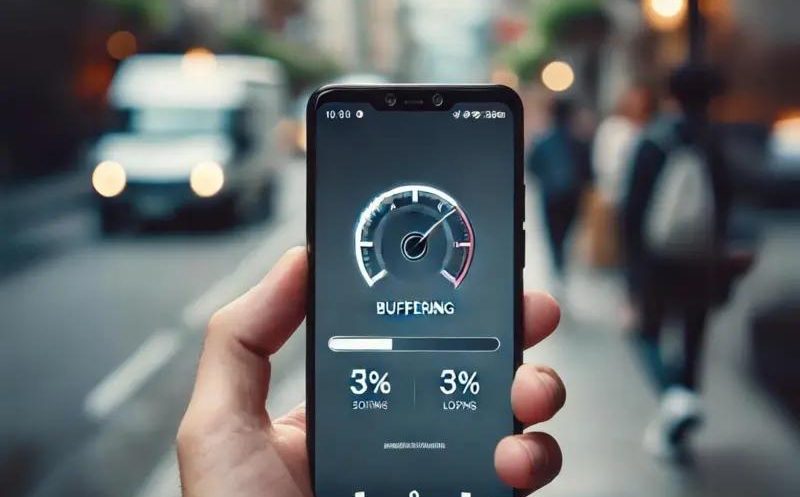
Bangladesh is falling behind in the global digital race, ranking 91st in mobile internet speed and 93rd in fixed broadband, according to the World Bank’s Atlas of Global Development 2026 report.
The report highlights that Bangladesh averages just 43 Mbps in mobile internet speed—far below regional peer Vietnam, which records 188 Mbps. Despite nationwide 4G coverage, nearly 47% of the population remains offline, while service quality continues to lag behind growing demand.
Experts warn that weak digital connectivity is holding back the country’s economic potential, affecting investment, exports, freelancing, startups, education, healthcare and digital public services. It also threatens the government’s vision of building a cashless economy.
The World Bank notes that global internet usage has surged from 16% two decades ago to over 70% today. However, access alone does not guarantee economic benefits.
In Bangladesh, although 4G coverage reached 100% in 2024, only 53% of people actually used the internet. High device costs, expensive data packages and low digital literacy remain major barriers.
According to the Bangladesh Telecommunication Regulatory Commission (BTRC), the country had 189.83 million mobile users and 135.94 million internet users as of June 2026.
Slow internet speeds are undermining digital services such as mobile banking, online payments and e-commerce. Unstable connections often lead to failed transactions and reduced user confidence.
Globally, the United Arab Emirates leads mobile internet speed with 681 Mbps, while Singapore tops fixed broadband at 421 Mbps. Bangladesh, by comparison, averages 66 Mbps in fixed broadband.
The report also points to significant disparities in internet access. Rural areas in Bangladesh continue to suffer from weak connectivity, limiting access to market information, digital payments and public services.
A gender gap remains a major challenge as well. Globally, 280 million more men than women used the internet in 2025. Women in lower-income countries face barriers such as high costs, limited digital skills and social restrictions.
The World Bank stresses that improving connectivity requires more than infrastructure. Strong policies, better competition, digital skills development and institutional reforms are essential to ensure inclusive growth.
Without urgent action, experts warn, Bangladesh risks falling further behind in the increasingly digital global economy.