


 Play store

Bangladesh must focus on producing high-quality agricultural products if it wants to boost exports and strengthen the economy, Fisheries and Livestock and Agriculture Minister Mohammad Amin Ur Rashid has said.
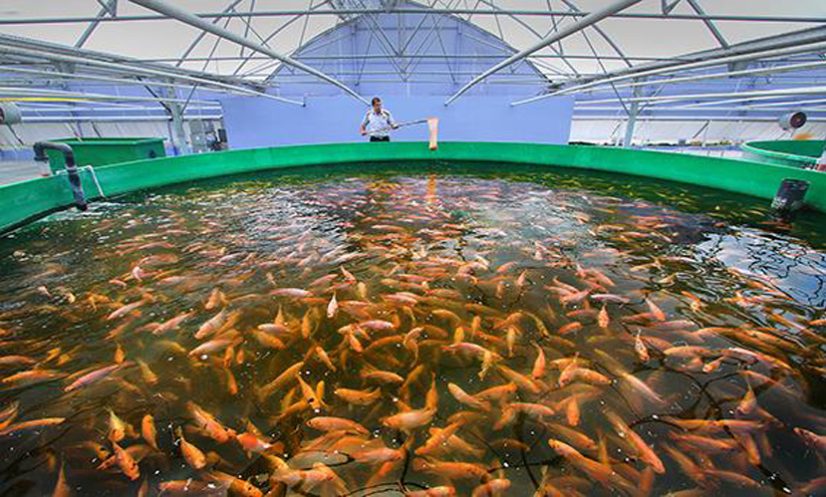
He also stressed the need to increase fish production to meet domestic demand, but warned that higher output must not come at the expense of quality.
“Researchers, scientists and entrepreneurs must work together to ensure safe food for the people and increase the acceptance of Bangladeshi products in international markets,” he said.
The minister made the remarks as the chief guest at the Aquaculture Knowledge Day-2026, organised by FishTech BD Limited at Hotel Sarina in Banani, Dhaka, on Saturday.
He said Bangladesh currently does not face a major shortage of food production, but ensuring quality food remains a significant challenge.
Around 75% of the country’s population is directly or indirectly involved in agriculture, the minister said, adding that strengthening this population economically would help make the country’s economy stronger and more sustainable.
He identified two key objectives of increasing agricultural production: meeting domestic demand and establishing Bangladesh’s position in international markets.
Addressing researchers, Amin urged them to explore natural solutions to various problems to reduce dependence on antibiotics and vaccines. He said people increasingly want safe, attractive and quality food, and production methods that could harm long-term human health should not be used.
The minister said he was making every effort to reduce the use of pesticides that are harmful to soil, water, air and people. The government has already begun working on the issue, he said, stressing that there is no alternative to tackling soil and water pollution.
He expressed concern over the increasing presence of heavy metals in the country’s soil and water, saying harmful substances such as lead and arsenic have been detected in water. The presence of heavy metals in rice has also emerged as a concern.
The government has launched research to identify the sources of these contaminants, including soil, groundwater, fertilisers and pesticides, he said.
The minister also stressed reducing dependence on groundwater for irrigation as water tables continue to fall. He suggested exploring whether freshwater from rivers could be used for irrigation to reduce or stop groundwater extraction.
The government’s goal is not only to create jobs but also to turn young people educated in agriculture into entrepreneurs, he said, adding that the government is ready to support them.
Highlighting the potential of indigenous livestock breeds, Amin said the Black Bengal goat, despite once facing the risk of disappearing, is one of the world’s notable breeds because of its productivity and disease resistance.
Fisheries and Livestock Ministry Secretary Md Delwar Hossain and Fisheries Department Director General Dr Md Khaled Kanak also spoke at the event as special guests. Janna Van Der Linden, Deputy Head of Mission of the Netherlands in Bangladesh, was present.
FishTech BD Limited Chairman Khandaker Farhad Hossain presided over the programme, which was attended by officials from the Fisheries and Livestock Ministry and Fisheries Department, university professors, grassroots farmers and FishTech officials.
The Aquaculture Knowledge Day-2026 featured exchanges of knowledge and experience on modern fisheries technologies, environmentally friendly farming methods, ecosystem conservation, safe food production and public awareness.