


 Play store

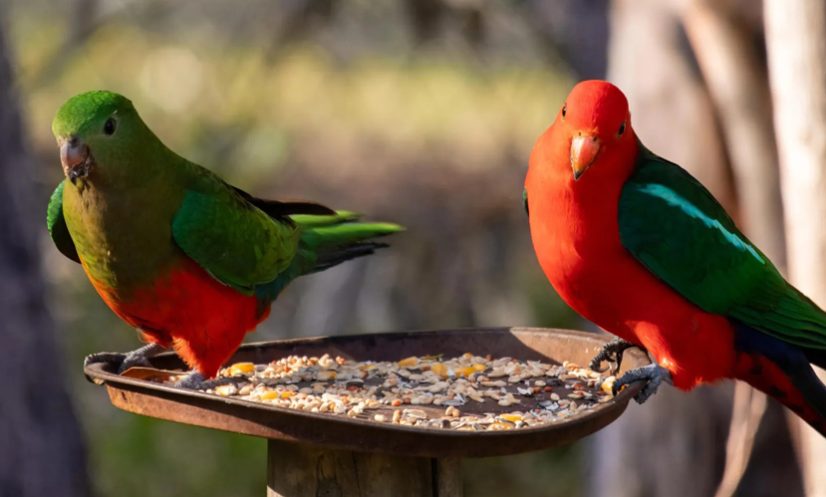
Backyard bird feeding, a popular pastime among Australian households, could increase the risk of spreading the H5N1 bird flu virus among wild birds, researchers have warned.
Research shows about half of Australian households feed wild birds, with many doing so daily. However, placing food in backyards can attract large numbers of birds from different species to the same location, creating conditions for disease transmission.
H5N1 has already killed large numbers of wild birds and mammals worldwide and is now spreading in Australia. More than 1,000 crested terns and a long-nosed fur seal have recently died from the virus.
Experts say supplementary food, including seeds and meat scraps, can bring together birds that would not normally gather in such numbers. If an infected bird visits a feeding site, the location could become a transmission hotspot.
The virus poses a particular threat to endangered species such as the orange-bellied parrot. Scavengers, including possums, foxes and crows, can also be exposed by eating infected birds.
Humans who come into close contact with infected wildlife, including wildlife carers and veterinarians, can contract H5N1, although human infections remain rare and generally cause mild symptoms.
Researchers say people who feed wild birds should be aware that the practice can carry risks and should take precautions to reduce the possibility of spreading disease.