


 Play store

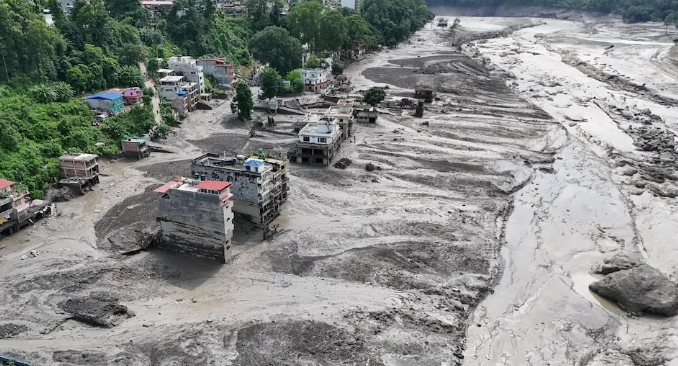
UN Secretary-General António Guterres has expressed deep sadness over the loss of lives in devastating flash floods and mudslides along the Nepal-Tibet border, as rescue teams race to find hundreds of missing people.
The disaster struck on Wednesday after a glacial collapse triggered a massive avalanche of ice and rock that crashed into the Lhende River, sending a torrent of mud and water downstream into the Bhote Koshi and Trishuli rivers.
At least 160 people have been confirmed dead on both sides of the border. Nepalese authorities reported 157 deaths, while authorities in Tibet, China, confirmed three fatalities. The toll is expected to rise as search and rescue operations continue.
Nepal’s Rasuwa and Nuwakot districts and Tibet’s Gyirong County were among the worst-affected areas.
More than 400 people remain unaccounted for, including Nepalese emergency responders and hundreds of foreign tourists, according to preliminary reports.
Expressing solidarity with the affected communities, Guterres said the United Nations was mobilising support for those impacted by the disaster.
UN agencies are also responding to the humanitarian needs of survivors, with UNICEF warning of serious risks to children and families affected by the floods, including displacement, trauma and shortages of essential supplies.
UNICEF is using its local presence and global supply hub in Copenhagen to deliver safe drinking water, medical supplies and nutrition kits to affected communities as quickly as possible.
The scale of destruction has severely hampered rescue efforts. Nineteen vehicle bridges and around 40 kilometres of highways have reportedly been destroyed, cutting off several communities and leaving helicopters as the main means of reaching stranded survivors.
Search and rescue teams are using helicopters to evacuate people from isolated areas and transport emergency supplies.
The disaster has also disrupted vital transport and communication links between Nepal and Tibet, raising concerns about the safety of residents, workers and tourists stranded in remote mountain areas.
International support is being mobilised as Nepal and China continue their rescue and relief operations. The United States, China, India and the European Union have pledged assistance to the affected areas.
The disaster has underscored the vulnerability of Himalayan communities to sudden glacial and weather-related hazards, with difficult terrain and damaged infrastructure making rescue and relief operations particularly challenging.
Authorities on both sides are continuing to assess the damage and search for those still missing, while humanitarian agencies prepare to provide longer-term support to displaced families and affected children. Source: IPS