


 Play store

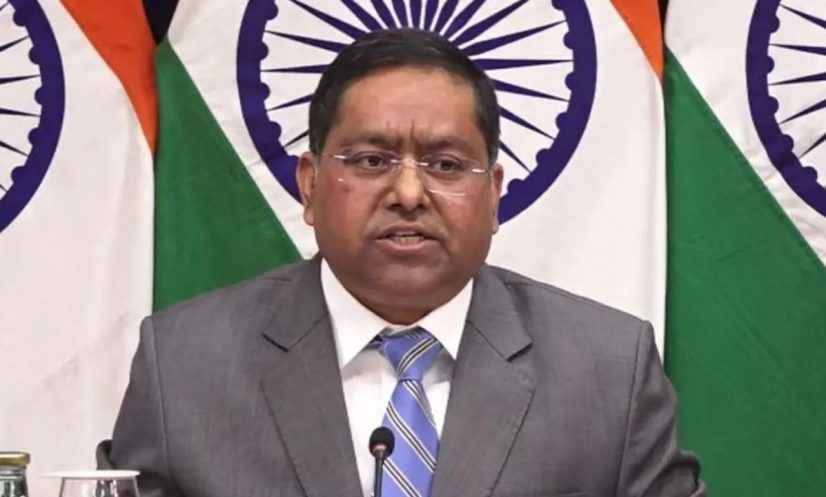
India has said issues relating to the Ganga Water Treaty with Bangladesh will be discussed under the framework of the bilateral Joint Rivers Commission (JRC), as Dhaka awaits New Delhi’s response on renegotiating the agreement.
“The Ganga Water Treaty was signed in 1996 for a period of 30 years and all water-related issues, river-related issues between India and Bangladesh are discussed as part of the agenda of the bilateral Joint Rivers Commission,” Indian Ministry of External Affairs spokesperson Randhir Jaiswal said.
Speaking to reporters in New Delhi recently, Jaiswal said meetings of the Joint Committee on the Ganga Water Treaty continue to be held at the technical level.
The treaty, signed in 1996 for 30 years, is set to expire in December this year.
Bangladesh has already taken steps to prepare a new agreement, with Foreign Minister Dr Khalilur Rahman telling Parliament on Thursday that Dhaka remains committed to securing its fair share of water from common rivers.
Replying to a supplementary question from Bagerhat-4 lawmaker Abdul Aleem, Khalilur said a team had been formed to prepare a new agreement following the expiry of the existing Ganga water-sharing treaty and that India had been informed accordingly.
“We are now waiting for their response,” he said.
The government is determined to renegotiate the treaty with India while safeguarding the water rights and interests of the people of Bangladesh.
Khalilur earlier said Bangladesh wants a new or revised treaty that ensures the essential water needs of its people.
“These are common rivers, and we have common legacies here, common interests and, as I said, there’s no other alternative but to seek a solution that is durable and will win public trust,” he told NDTV on the sidelines of the ninth Indian Ocean Conference in Mauritius.
He said such an agreement would also be important for building a stable relationship between the two countries over the next several decades.
Experts have called for a comprehensive review and reform of the treaty before negotiating a renewed agreement, suggesting that economists, urban planners, sociologists and environmentalists should be involved in the process.
Prof Shahab Enam Khan, Executive Director of the Bangladesh Center for Indo-Pacific Affairs, said the Ganga Treaty should be renewed but revised because it was negotiated almost three decades ago.
“I think it is very important for Bangladesh and India to renew the Ganges Treaty. But it has to be revised. The very simple reason is that the treaty was done almost three decades ago,” he said.