Play store

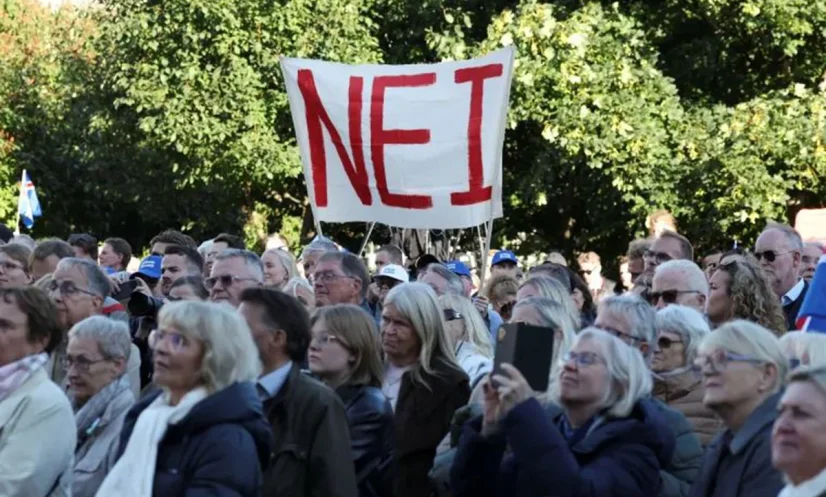
Icelandic voters have rejected a proposal to formally begin negotiations on joining the European Union (EU) in a national referendum.
According to the country’s public broadcaster RÚV, the “No” camp was leading by a clear margin as vote counting neared completion.
As of Sunday, preliminary results showed 52.5% voting against opening membership talks, while 47.5% voted in favour.
Although a small number of ballots remained to be counted in one of Iceland’s six electoral districts, RÚV said the margin made it almost certain that the proposal had been rejected.
“Iceland has rejected negotiations on joining the EU,” the broadcaster reported.
The Icelandic government had presented the proposal as an important and timely decision. Prime Minister Kristrún Frostadóttir told voters in August that rejecting the proposal would effectively bring all ongoing discussions about EU membership to a halt.
The government had sought a clear public mandate through the referendum to begin formal membership negotiations with the EU. The result is therefore being viewed as a major setback for the government’s initiative.
What Did the Pro-EU Camp Argue?
Groups campaigning for EU membership argued that joining the bloc could bring economic benefits to Iceland, including the potential to lower high interest rates and strengthen economic stability.
They also said closer ties with the EU could improve Iceland’s security amid major geopolitical changes caused by the war in Ukraine and US President Donald Trump’s comments about acquiring Greenland.
Pro-EU campaigners particularly highlighted the growing geopolitical importance of the North Atlantic and Arctic regions and argued that Iceland should deepen its relationship with Europe.
Why Did Voters Oppose EU Talks?
Opponents focused on what they viewed as the potential disadvantages of EU membership, particularly concerns over national sovereignty.
They also raised concerns about control over Iceland’s vital fishing resources. Critics feared that EU common policies and regulations could undermine Iceland’s control over its fishing waters and fishing rights.
As a result, the referendum campaign largely centred on a choice between the potential economic and security benefits of closer EU ties and concerns over national sovereignty and control of fisheries.