


 Play store

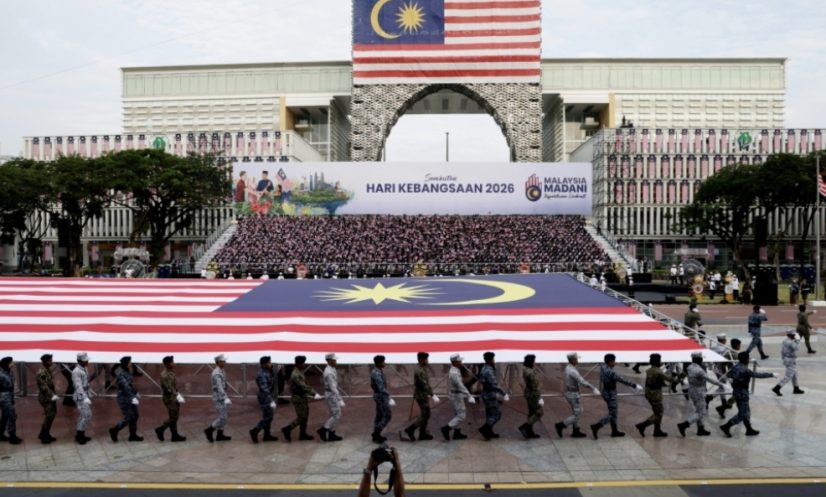
Ahmadul Kobir, Malaysia: Malaysia is awash with the colours of red, white and blue as the country prepares to celebrate its 69th National Day, or Merdeka Day, on August 31, with flags, patriotic music and community initiatives bringing people of all generations together.
With just a day to go before the celebrations, the Jalur Gemilang, Malaysia’s national flag, is flying from rooftops, shops, offices, streets and homes across the country. Flag-inspired decorations have appeared in public spaces, while patriotic songs are being played on radio and television, at schools, offices and public events.
The celebrations are also taking on a distinctly intergenerational character, with Malaysians using music, clothing and creative community activities to pass the spirit of patriotism to younger generations.
For decades, songs such as Tanggal 31 Ogos, Warisan, Setia, Bahtera Merdeka, Saya Anak Malaysia and Jalur Gemilang have been closely associated with Merdeka celebrations.
Their simple melodies and emotional lyrics have helped them remain popular across generations.
Renowned Malaysian composer Datuk Mokhzani Ismail said hundreds of patriotic songs had been produced since the 1950s. The tradition of releasing official National Day theme songs began in 1970, with some songs later being used for both National Day and Malaysia Day.
This year’s National Day theme song, Aku Berjanji (I Promise), was written and performed by popular singer Faizal Tahir.

Mokhzani said nostalgia, regular airplay and memorable melodies and lyrics were among the reasons older patriotic songs continued to resonate with Malaysians.
He said the opening notes of some songs could immediately evoke memories and patriotic emotions, while their repeated exposure through radio, television and schools had embedded them in the country’s collective memory.
New patriotic songs, however, often struggle to achieve similar staying power.
Mokhzani said even a song that was well received by the public needed sustained exposure to become part of people’s long-term memories. Many new songs receive heavy airplay during the National Day season but largely disappear once the celebrations end.
Despite this, he welcomed the growing interest among young composers and lyricists in producing patriotic music, highlighting talents such as Affan Mazlan and lyricist Rafizah Rahman.
He also praised the involvement of popular performers including Ernie Zakri, Khai Bahar, Aina Abdul, Stacy, Faizal Tahir and Datuk Seri Siti Nurhaliza in patriotic music.
For many Malaysians, the Jalur Gemilang is more than a national flag—it is a powerful symbol of national pride.
One unusual example is 66-year-old Sahran Husin, who sells fruit during Merdeka month while wearing clothes decorated with the national flag. He also wears a special cap featuring the Jalur Gemilang.
His distinctive appearance has made him popular among local children, who affectionately call him ‘Atuk Merdeka’, or ‘Grandpa Merdeka’.
Speaking at an event at the Kuala Pilah Farmers’ Market, Sahran said he wore the patriotic outfit not to attract attention but to encourage people, particularly children, to develop a stronger love for their country.
“I believe the spirit of Merdeka should be in everyone’s heart. When children see me, they call me ‘Atuk Merdeka’ and praise my clothes. It makes me very happy,” he said.
He encouraged children to wear clothing inspired by the national flag as well.
Sahran’s initiative has received support from a friend who runs a tailoring shop in Tampin and made his distinctive cap from a national flag.
Patriotic enthusiasm is also evident at Felda Belara in Terengganu, where more than 1,000 residents have decorated 10 residential blocks under the theme ‘Gemilang Semarak Merdeka’.
The community has organised the decoration programme for nearly a decade in conjunction with National Day. Each block, consisting of about 23 houses, receives RM400 for decorations, while residents often contribute additional funds themselves.
Organiser Mohamad Noor Ismail said children, young people and senior citizens were all participating in the initiative.
Old tyres, plastic bottles and other recyclable materials are being turned into colourful displays, combining Merdeka celebrations with environmental awareness.
For Mohamad Noor, one of the main objectives is to instil patriotism in children from an early age.
Almost every house and building in the area is now flying the Jalur Gemilang, he said.
Renowned lyricist Datuk Hasbah Hassan believes a coordinated effort is needed to ensure patriotic songs remain relevant throughout the year rather than being confined to the Merdeka season.
He said private broadcasters, shopping malls, hotels, airports and public transport systems should join government broadcasters in playing patriotic songs year-round.
Regular exposure, he argued, would eventually make the songs part of everyday life and encourage younger people to sing along naturally.
Hasbah, who wrote patriotic songs including Malaysia Jaguh, Cintai Malaysia, Setia, Darah Satria and Budi Bahasa Budaya Kita, said Merdeka songs should not be restricted to a few days in August.
From the colours of the national flag and patriotic melodies to decorated neighbourhoods and the distinctive attire of Atuk Merdeka, Malaysia’s National Day has become a multifaceted expression of national pride.
These initiatives by ordinary citizens, artists and cultural figures are helping keep the spirit of independence alive and pass it on to a new generation.
Malaysia gained independence from British rule on August 31, 1957, and the date is celebrated annually as Merdeka Day.
As the country marks its 69th anniversary, flags are flying high, patriotic songs are filling the air and Malaysians of different generations are coming together in a nationwide celebration of pride and unity.