


 Play store

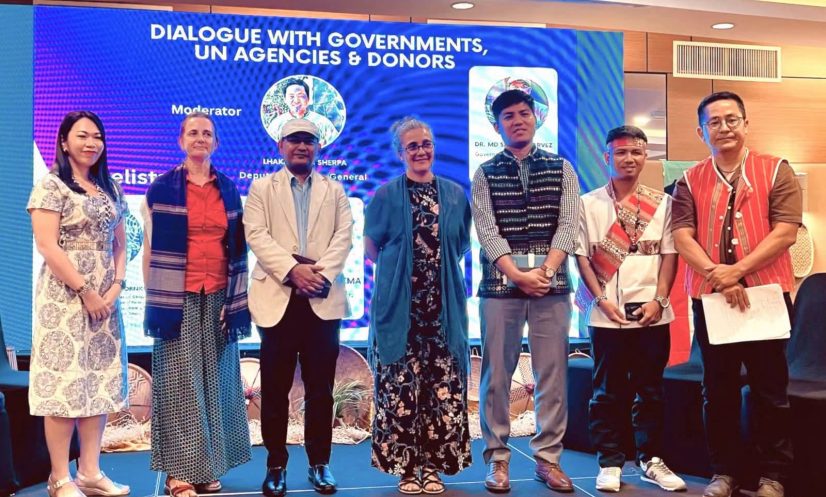
Ahmadul Kobir, Malaysia: Bangladesh has called for ensuring the meaningful participation of indigenous peoples in protecting their rights, conserving biodiversity and shaping policies that directly affect their lives, land and livelihoods.
Dr Saimum Parvez, representing Bangladesh, made the call while speaking as a panellist at a session titled “Dialogue with Governments, UN Agencies and Development Partners” at the Sixth International Indigenous Peoples Partnership Conference, organised by the Asia Indigenous Peoples Pact (AIPP) in Sabah, Malaysia.
The session brought together government representatives, UN agencies, development partners and other stakeholders to discuss indigenous peoples’ rights, environmental and biodiversity conservation, and inclusive development.
Presenting Bangladesh’s perspectives at the discussion, Dr Parvez said protecting biodiversity in areas inhabited by indigenous peoples was not merely an environmental responsibility but was closely linked to their land, livelihoods, culture, dignity and the future security of their communities.
“Therefore, before adopting any plan or implementing decisions related to biodiversity conservation, it is essential to ensure the voices, experiences and meaningful participation of the communities concerned,” he said.
Dr Parvez noted that indigenous communities have maintained close relationships with nature and biodiversity for generations and possess valuable traditional knowledge, practical experience and cultural practices.
“Their traditional knowledge can play an important role in environmental protection and the sustainable management of natural resources,” he said.
He said biodiversity conservation initiatives could not be made genuinely effective or sustainable in the long term without the meaningful participation of indigenous communities.
Dr Parvez also stressed the importance of viewing local communities not merely as beneficiaries of development programmes but as important partners in planning, decision-making and implementation.
He further highlighted the need to protect the rights and dignity of indigenous peoples while creating opportunities for younger generations to develop leadership skills and play an active role in shaping the future of their communities.
Referring to Bangladesh, Dr Parvez said the BNP government was committed to taking effective measures to ensure the participation of relevant communities in biodiversity conservation, protect their rights and dignity, and create leadership opportunities for young people.
“Bangladesh First means moving forward by bringing every citizen of Bangladesh together, regardless of nationality, religion, ethnicity, language or cultural identity,” he said.
“It is not possible to build an inclusive, just and prosperous Bangladesh by leaving anyone behind.”
He said Bangladesh’s ethnic, linguistic and cultural diversity was an integral part of the country’s collective strength and should be respected and preserved to further strengthen national unity.
“Equal dignity, rights and participation of every community should be ensured in the country’s development planning,” he said.
Dr Parvez expressed the hope that the lands and biodiversity of communities across Bangladesh would remain protected, while their languages, cultures, traditions and distinct identities would also be preserved with due recognition and respect.
He said a safe, dignified and prosperous future for all communities could only be ensured through mutual respect, justice and a participatory system of governance.