Play store

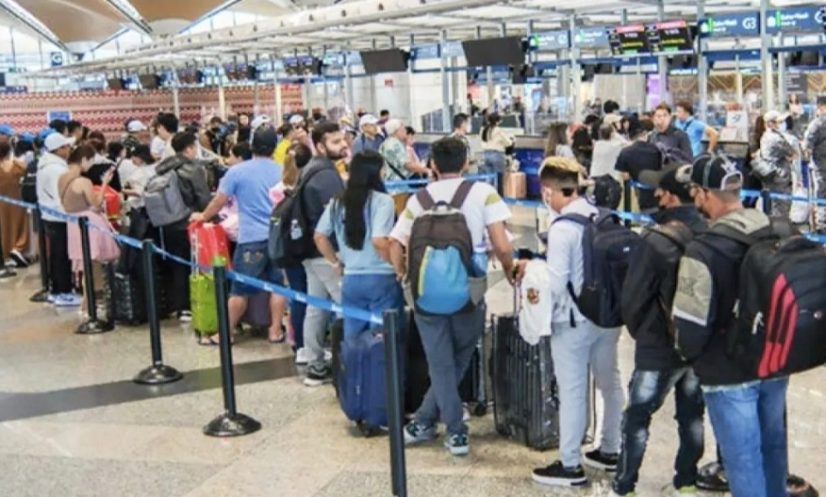
Ahmadul Kabir, Malaysia: As Malaysia intensifies its crackdown on undocumented migrants, an increasing number of foreigners without valid immigration documents are opting to return to their home countries voluntarily to avoid arrest, prosecution and possible imprisonment.
Alongside ongoing enforcement operations, the Malaysian government is offering undocumented migrants an opportunity to leave the country voluntarily under the Migrant Repatriation Programme 2.0 (PRM 2.0). Those who meet the stipulated conditions and pay the prescribed compounds can return home without going through lengthy immigration proceedings.
The programme has now been extended until May 31, 2027, giving undocumented migrants in Malaysia additional time to regularise their departure through the voluntary repatriation mechanism.
Immigration Department director-general Datuk Zakaria Shaban said the government decided to extend the programme from May 1, 2026, until May 31, 2027, after considering its effectiveness and the strong response from foreign nationals.
According to the Malaysian Immigration Department, 254,186 undocumented migrants from 112 countries registered under PRM 2.0 between May 19, 2025, and April 29, 2026. During that period, the government collected about RM1.27 billion in compounds and related payments.
However, the number of migrants registered under the programme is not the same as the number who have actually returned home.
The latest detailed figures released by the Immigration Department showed that 204,523 foreigners had voluntarily returned to their respective countries under the programme as of April 15, 2026, while 228,961 migrants had registered by that date.
The figures released on April 29, showing 254,186 registrations, and those recorded on April 15, showing 204,523 actual returns, therefore refer to different dates and different stages of the repatriation process.
Zakaria said Indonesians accounted for the largest number of participants, followed by Bangladeshis, making Bangladeshis one of the largest national groups taking part in the programme.
However, the Immigration Department has not publicly released a separate figure showing exactly how many Bangladeshis have returned under PRM 2.0.
PRM 2.0 is designed to allow undocumented foreign nationals to return to their countries voluntarily.
Those who meet the required conditions can leave Malaysia after paying the prescribed compound instead of facing arrest, detention and lengthy legal proceedings.
Under Malaysian immigration regulations, a RM500 compound may be imposed on foreigners who enter or remain in the country without a valid pass or who overstay their visa. A RM300 compound may apply to those found violating the conditions of their immigration pass.
However, certain categories of undocumented migrants may not be eligible for the programme. These include individuals who registered under previous repatriation programmes but failed to return, those blacklisted by the Immigration Department and people wanted by Malaysian authorities.
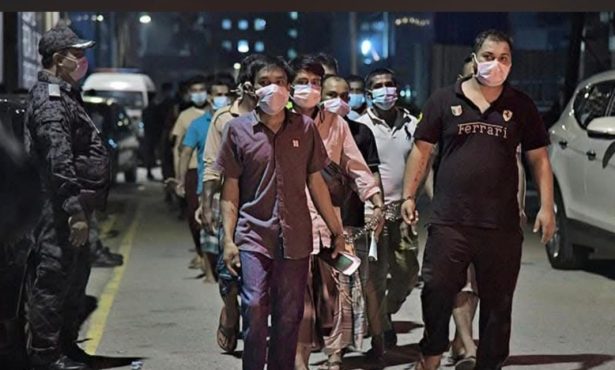
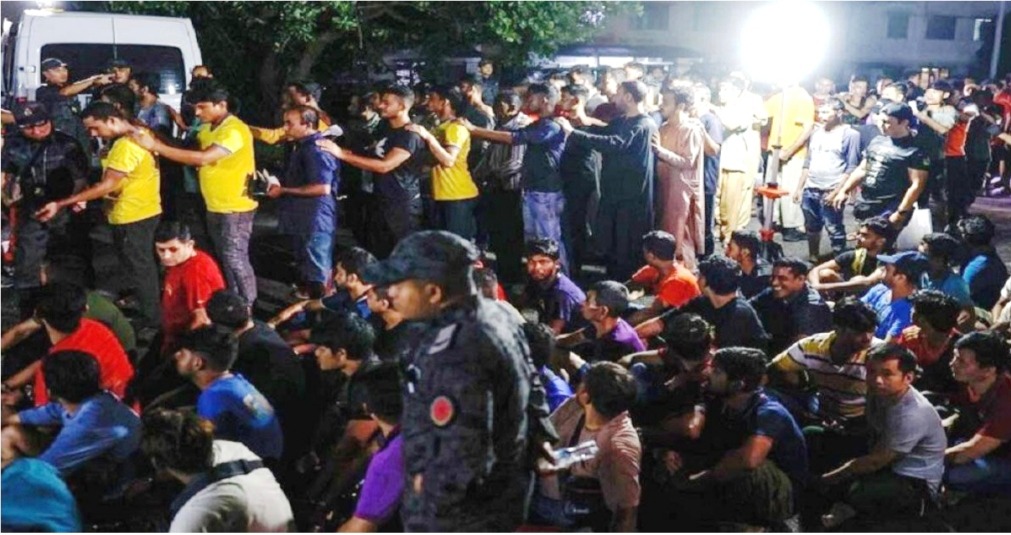
Meanwhile, immigration enforcement operations against undocumented migrants are continuing across Malaysia.
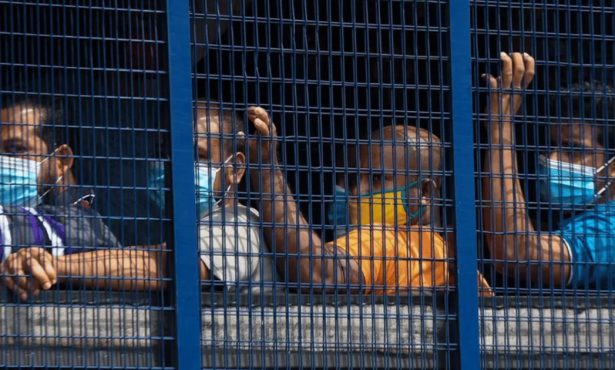
Foreign nationals without valid documents are being detained during regular raids, prompting many undocumented migrants to consider taking advantage of the voluntary repatriation programme before they are arrested.
Immigration observers say undocumented migrants are increasingly faced with two options: risk being detained during an enforcement operation or return home voluntarily through the government-approved repatriation mechanism.
The continuing crackdown appears to be contributing to growing interest in PRM 2.0.
The Bangladesh High Commission in Kuala Lumpur has also urged undocumented Bangladeshi nationals to return home without delay through the official process.
In a video message, First Secretary (Press) at the Bangladesh High Commission Tariqul Islam advised undocumented Bangladeshis not to wait until the final stage of the programme before applying for voluntary repatriation.
He urged them to take advantage of PRM 2.0 and return home through what he described as a lawful and safe process.
To return to Bangladesh under the programme, applicants must have a valid and unexpired Bangladeshi passport.
Those who do not have a passport or whose passport has expired may obtain a travel permit from the Bangladesh High Commission.
Applicants must also secure a confirmed air ticket and personally appear at the designated Immigration office to submit their application.
At the time of application, migrants are required to carry their passport or travel permit, a copy of the passport’s biodata page, a copy of the relevant Malaysian immigration pass and, where applicable, copies of both their old and new passports.
The High Commission has also warned Bangladeshis about possible attempts by middlemen and syndicates to exploit migrants seeking to return home under the programme.
Tariqul Islam said applicants do not need to pay any middleman, representative or third party to apply for PRM 2.0.
Bangladeshis have been advised to remain cautious if anyone demands money in exchange for promises of special assistance or preferential treatment.
The High Commission has urged migrants to submit their applications personally and follow only official instructions.
The Malaysian government’s message is clear: undocumented migrants are being given an opportunity to return home voluntarily, but enforcement action against those who remain in the country without valid documents will continue.
With PRM 2.0 extended until May 31, 2027, undocumented Bangladeshis have additional time to return home through the official mechanism.
However, immigration-related stakeholders believe that voluntary return before being caught in an enforcement operation is a safer option than facing arrest, detention and subsequent legal complications.
In the longer term, migration experts say reducing undocumented migration will require a more transparent and accountable recruitment system, streamlined immigration and visa procedures, and stronger action against recruitment syndicates and middlemen.
They also stress the importance of ensuring that Bangladeshi workers in Malaysia keep their immigration documents valid and take the necessary steps to renew, regularise or otherwise resolve their immigration status before their permits expire.