Play store

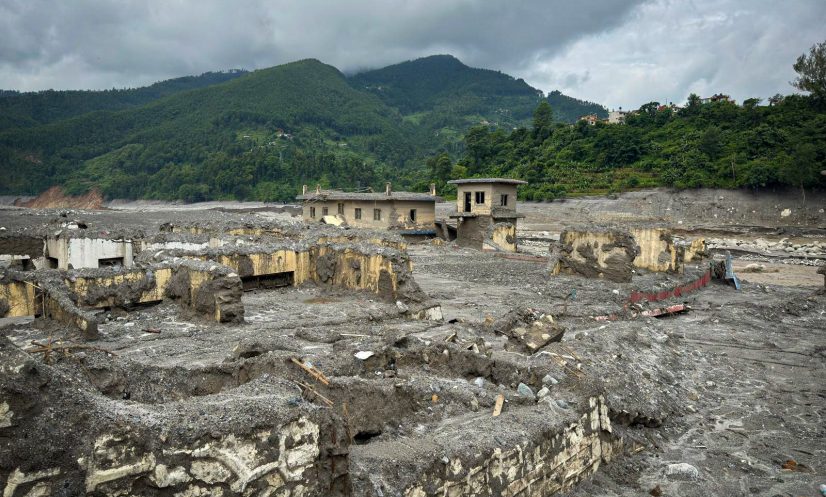
The International Organization for Migration (IOM) is appealing for $20.5 million to assist 43,000 people affected by devastating floods in Nepal, as thousands of families face displacement, loss and uncertainty.
The appeal is aligned with a UN-led inter-agency flash appeal and focuses on strengthening displacement tracking and site coordination while scaling up shelter, health and protection assistance for displaced and affected communities.
Humanitarian needs have grown rapidly after floods last month affected about 84,000 people. The death toll has crossed 1,400, while nearly 4,900 people remain missing, according to figures reported last week by Nepal’s National Disaster Risk Reduction and Management Authority (NDRRMA).
The floods have also caused extensive damage to roads, bridges, health facilities and schools.
“For thousands of families, the immediate shock of the floods has been followed by immense uncertainty about their next steps,” said Helene Fors, IOM chief of mission in Nepal.
“Our priority is to ensure that humanitarian action is guided by reliable information and that critical assistance reaches those who need it most,” she added.
IOM teams are already supporting the response, including in hard-to-reach areas. The organisation has conducted initial assessments at holding centres where displaced families are staying and provided essential medicines to health authorities.
However, IOM said sustained funding is needed to expand assistance to affected communities.
Key priorities include emergency shelter, particularly with winter approaching, access to health and psychosocial support services, and targeted protection for people facing heightened risks, including women, children, older people and persons with disabilities.
IOM is also expanding the use of its Displacement Tracking Matrix (DTM) to help authorities monitor displacement sites and population movements and identify urgent needs so assistance can be directed to the areas most in need.
Thousands of displaced people are currently sheltering in schools, monasteries, public buildings and host communities. As co-chair of the Camp Coordination and Camp Management (CCCM) Cluster, led by the Department of Urban Development and Building Construction (DUDBC), IOM will support efforts to ensure they can access essential assistance, services and protection.
IOM urged the international community to act swiftly to help affected communities receive the assistance and protection they urgently need.