Play store

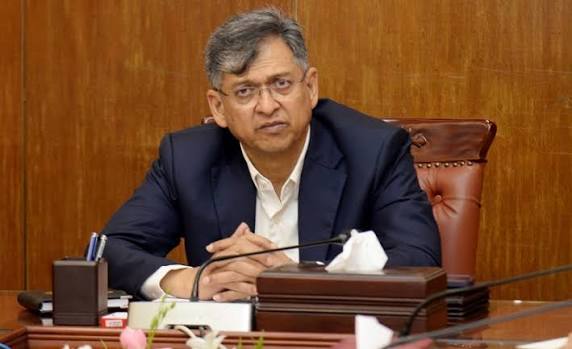
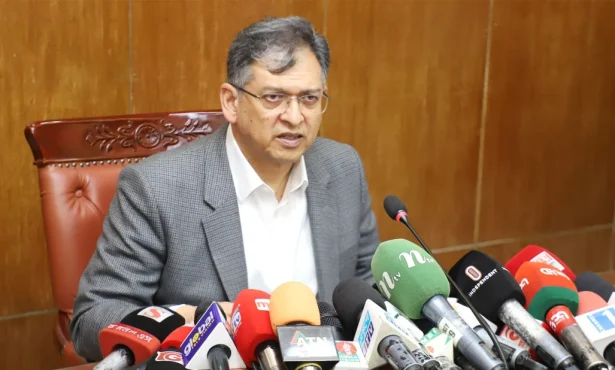
Home Minister Salahuddin Ahmed has said the proposed Cyber Security (Amendment) Act 2026 will help curb online abuse, protect women and young people from cyberbullying and provide professional safeguards for journalists without allowing misuse of the law.
“The government is highly conscious of citizens’ freedom of expression and personal security,” he said.
The minister made the remarks during a courtesy meeting with a delegation of the International Republican Institute (IRI), led by its Resident Programme Director John Fluharty, at his office at the Bangladesh Secretariat.
Salahuddin said every citizen has the constitutional right to express opinions and make constructive criticism, subject to reasonable restrictions under Article 39.
“But constructive criticism is not the same as character assassination or abusive language for political purposes,” he said.
He said the government had been consulting international and local stakeholders, including media personalities, senior editors and civil society representatives, for the past two months to further refine the proposed law.
The government would welcome constructive recommendations from both local and international stakeholders to strengthen digital security while ensuring a violence-free political environment, he added.
The meeting discussed measures to prevent cybercrime and online bullying, as well as various aspects of the proposed amendment.
Fluharty said young people and political activists in Bangladesh were increasingly facing harassment and reputational attacks through cyberbullying and organised disinformation.
He called for consensus-based policies and legal protection for both ruling and opposition political groups.
Helen Zerin Khan, MP, and IRI Technical Adviser Ruksana Haque, among others, attended the meeting.