Play store

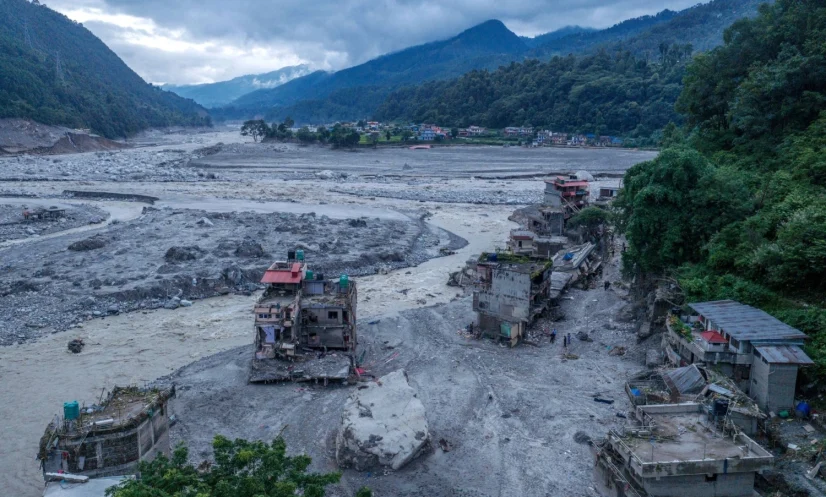
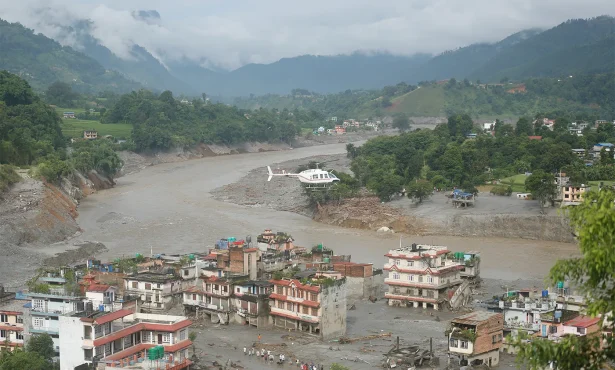
China and Nepal have taken sharply different approaches to information following a Himalayan flood that killed more than 1,400 people and left thousands missing, highlighting contrasting levels of transparency after the Aug. 26 disaster.
The tsunami-like surge of water, mud and debris followed a glacial mountain collapse on the China-Nepal border. More than 5,650 people remain missing, including hundreds of foreigners.
Both countries have moved against fabricated posts, but Beijing has gone further by restricting eyewitness footage and penalising people who challenge official figures.
Chinese state media have focused on rescue and recovery efforts in Tibet, where foreign journalists face tight restrictions, while giving limited coverage to victims’ families. Verified videos of the flood engulfing Gyirong Port and other eyewitness footage have largely disappeared from Chinese social media.
China’s Ministry of Public Security says 10 people have been penalised for spreading false information, including claims that the actual death toll was higher than reported. Beijing says its information has been released in an “open, transparent and timely” manner.
Nepal, meanwhile, has also targeted misinformation but continues to provide regular death-toll updates and allows victims’ families and witnesses to speak publicly. The Press Council Nepal has asked more than 100 social media accounts to remove fabricated content.
Nepalese authorities have also worked with Meta and TikTok to remove AI-generated material, graphic footage and fraudulent relief appeals. Police arrested a man accused of using a fake donation appeal to promote his social media account.
Fact-checkers have identified numerous false claims about the disaster, including old footage from Alaska’s Columbia Glacier falsely presented as showing the Himalayan collapse.
Despite misinformation concerns, rights groups say Nepal has largely maintained an open information environment, while China’s restrictions have fuelled mistrust.
The contrasting approaches have also shaped perceptions of the death toll. Nepal has reported 1,369 bodies recovered and about 5,132 people missing, compared with 43 dead and 519 missing in China. Experts say the difference may largely reflect the disaster’s geography, as the main wave of destruction swept downstream into Nepal.