


 Play store

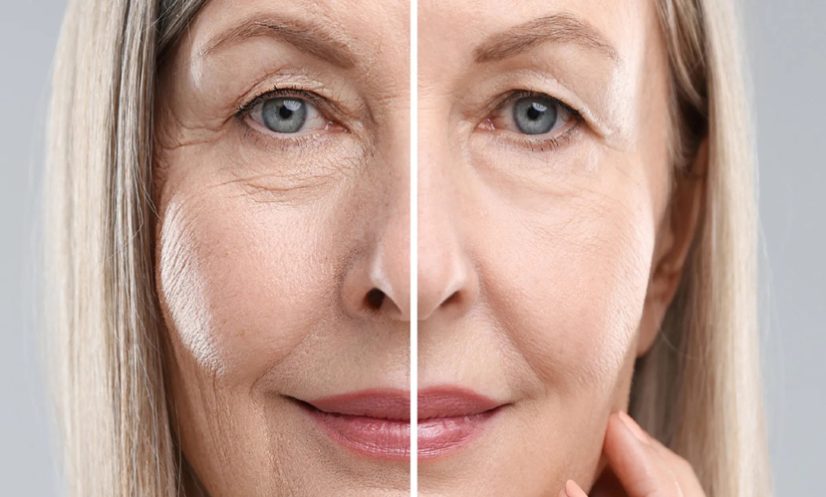
A simple change in diet may help older adults shift some markers of biological aging in just four weeks, according to new research from the University of Sydney.
The study found that Australians aged 65 to 75 who reduced either dietary fat or animal-based protein showed signs of a lower estimated biological age after only one month.
Biological age is different from chronological age. While chronological age is determined by the number of years a person has lived, biological age reflects how the body appears to be functioning based on measures such as metabolism, inflammation and cardiovascular health.
Researchers used 20 biomarkers, including cholesterol, insulin and C-reactive protein, to calculate participants’ biological age as part of the Nutrition for Healthy Living study at the university’s Charles Perkins Centre.
The study involved 104 non-smoking, non-vegetarian adults who were randomly assigned to one of four diets. All diets provided 14 per cent of total energy from protein, but differed in their levels of fat, carbohydrates and animal- versus plant-based protein.
The four groups included omnivorous and semi-vegetarian diets, combined with either higher fat and lower carbohydrates or lower fat and higher carbohydrates.
Interestingly, the group eating the omnivorous high-fat diet showed no meaningful change in estimated biological age. The other three groups showed reductions in their biological age scores.
The strongest evidence came from the omnivorous high-carbohydrate group, whose diet provided about 14 per cent of energy from protein, 28-29 per cent from fat and 53 per cent from carbohydrates.
The findings suggest that changing the balance of dietary fat and animal-based protein could influence certain aging-related biomarkers relatively quickly in older adults.
However, the researchers caution against interpreting the results as proof that dietary changes can permanently reverse aging. The study lasted only four weeks, and it remains unclear whether the changes will persist or reduce the risk of age-related diseases.
“Longer term dietary changes are needed to assess whether dietary changes alter the risk of age-related diseases,” said Associate Professor Alistair Senior of the University of Sydney’s School of Life and Environmental Sciences and Charles Perkins Centre.
The study, published in Aging Cell and led by Dr Caitlin Andrews, provides an early indication that what people eat may influence measurable aspects of biological aging — but longer and larger studies are needed to determine how meaningful those changes are for long-term health.