


 Play store

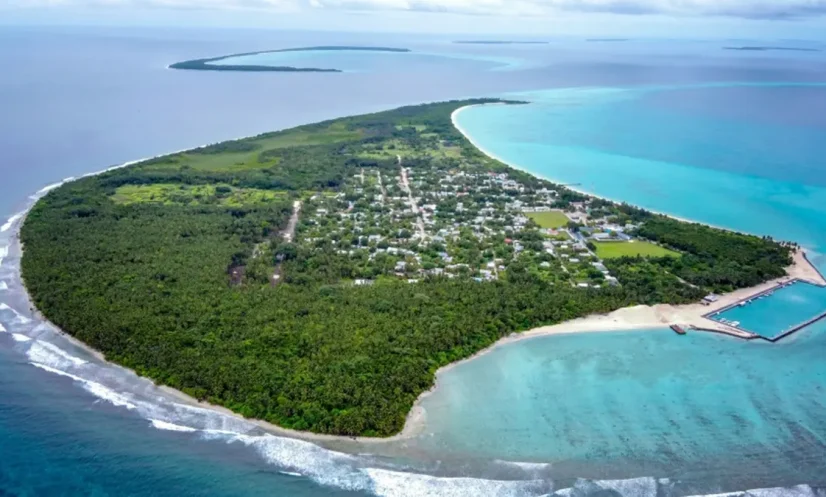
The Pacific island nation of Nauru will be known internationally as “Naoero” as the country seeks to reclaim its indigenous identity and shed the legacy of its colonial past.
President David Adeang announced the change while addressing world leaders at the United Nations General Assembly in New York.
“There are moments in the life of a nation when its people must be reminded of who they have always been. For us, this is such a moment,” Adeang said.
The tiny island nation, covering about eight square miles and home to nearly 12,000 people, gained independence in 1968 after periods of colonial rule involving Germany, Britain, Australia and New Zealand.
Although the country has long been known internationally as Nauru, Adeang said local people had not traditionally used the name among themselves.
“For many years, the world has known our country as Nauru. Those who found our name difficult to pronounce kept it as it sounded to them. But our people did not use this name among themselves,” he said.
Under the change, the country’s international code will shift from NRU to NRO, while its people will be referred to as Dai-Naoero. The traditional pronunciation will also change from “Nauru” to “Naoero”.
Adeang said the move was not intended to erase the country’s past but to honour its history and restore its cultural identity.
Several countries have previously changed their names to reflect post-colonial identities or political and cultural changes, including Swaziland to Eswatini, Rhodesia to Zimbabwe, Burma to Myanmar and Ceylon to Sri Lanka.
Concluding his address, Adeang urged the international community to recognise the country by its new name and pronounce it correctly.