Play store

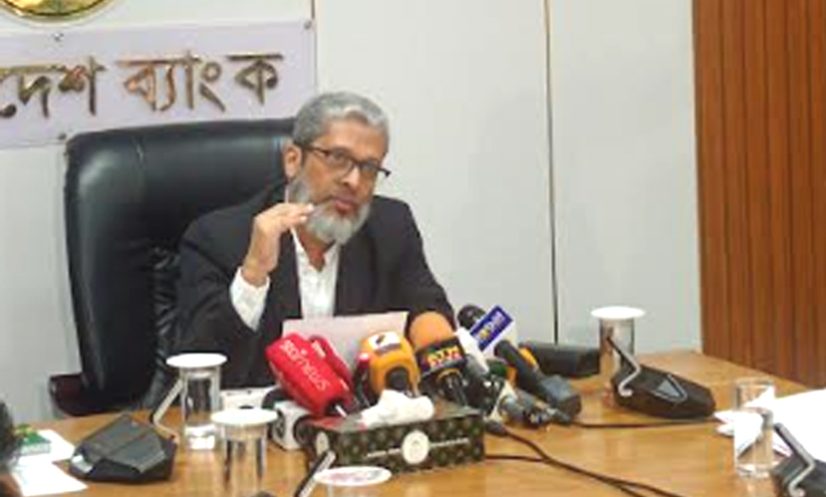
Bangladesh Bank is giving top priority to expanding the use of Bangla QR in the health, education and transport sectors as part of its drive to build a cashless economy, a senior central bank official said on Wednesday.
Bangladesh Bank Executive Director and spokesperson Arif Hossain Khan said the central bank plans to introduce a series of measures over the next three months to make Bangla QR easier, safer and more affordable for consumers and businesses.
Speaking at a press conference on Bangla QR, he said its use had already increased significantly, with the number of transactions rising nearly three-and-a-half times and the value of transactions almost fivefold in the three months to September 30 compared with June.
The number of merchants using Bangla QR has also risen to nearly 4 million, he said.
“Bangladesh Bank has been working for a long time to build a cashless economy. The main objective is to create a digital footprint for every transaction in the economy,” Khan said.
He said bringing transactions in the informal economy into the formal financial system would make the country’s actual economic size more visible and could also help attract foreign investment.
“Currently, the size of Bangladesh’s economy is around $510 billion. Our future goal is to take it to a $1 trillion economy,” he said, adding that bringing informal economic transactions into the formal system could make the actual size of the economy even larger.
Khan said foreign investors consider the size and potential of a market before making investment decisions. A more visible and digitally documented economy could therefore help present Bangladesh as a larger and more attractive market to international investors.
Khan said the increased use of Bangla QR could also reduce several problems associated with cash transactions, including shortages of small-denomination notes, difficulty providing change and disputes over old or damaged banknotes.
“For example, a customer may have a Tk50 note but the seller may not have Tk10 or Tk20 in change. Such problems can delay transactions and sometimes create disputes between buyers and sellers,” he said.
Bangla QR, he added, could allow customers to make exact payments directly from their mobile phones, reducing the need to carry cash.
Bangladesh Bank made the use of Bangla QR mandatory across relevant sectors from July 1. The central bank subsequently monitored practical challenges faced by consumers, merchants and service providers over the following three months.
Khan said the new measures were being introduced to address those obstacles and accelerate adoption.
He said transactions through Bangla QR had increased nearly fourfold since July, with transactions worth around Tk1,000 crore recorded in the latest week alone — equivalent to an average of about Tk1