Play store


The first unit of the Rooppur Nuclear Power Plant in Pabna has successfully completed a high-pressure test of its Pressure Operated Relief Valve (PORV/POSV) at 16 megapascals (MPa), marking another step in the commissioning process of the country’s first nuclear power plant.
According to sources at Nuclear Power Plant Company Bangladesh Limited (NPCBL), the test was completed on Wednesday morning (September 30), after work began the previous night. Following the successful test, engineers began the next phase of technical testing at a higher pressure of 18 MPa.
During the test, teams in the plant’s Main Control Room (MCR) and Emergency Control Room (ECR) simultaneously monitored the performance of control valves and the operational response of associated Main Safety Valves (MSVs).
The engineers checked valve opening and closing, alarms and process data while following approved technical guidelines, fire safety procedures and radiation safety parameters. Sources said safety was given priority throughout the commissioning activities.
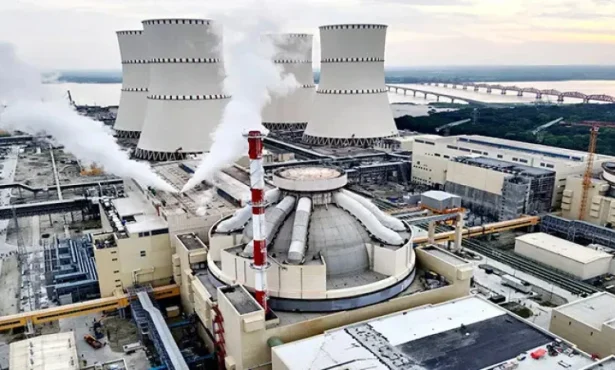
Fuel loading in Unit-1 was successfully completed on April 28, 2026, moving the unit into the commissioning stage. Technical inspections and repairs of safety valves are currently under way.
If the remaining commissioning procedures and technical tests are completed successfully, Unit-1 is expected to begin supplying around 300 megawatts of electricity to the national grid on a trial basis by the end of 2026.
The unit is expected to reach its full commercial generation capacity of 1,200 MW in the first half of 2027, while Unit-2 is targeted to enter operation by the end of 2027.
Meanwhile, Russia’s state nuclear corporation Rosatom has said the first shipment of nuclear fuel for Unit-2 will begin arriving in Bangladesh from October 1 through an alternative route after issues related to airspace clearance were resolved.
The complete fuel supply for Unit-2 is scheduled to be delivered through seven cargo flights between October and December 2026.
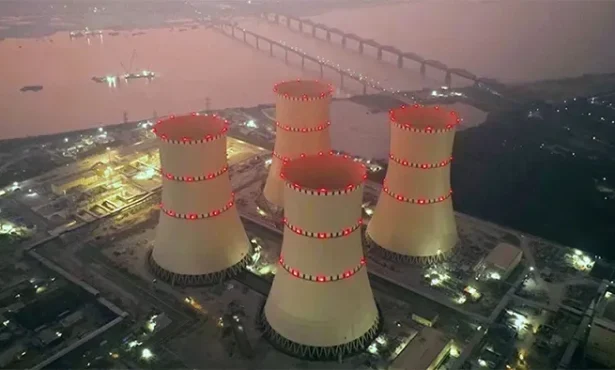
The Rooppur project is being implemented jointly by the Bangladesh Atomic Energy Commission (BAEC) and Russia’s JSC Atomstroyexport (ASE). The $12.65-billion plant has two VVER-1200 reactors, each with a generation capacity of 1,200 MW, giving the facility a total capacity of 2,400 MW.
About 90 per cent of the project’s financing is being provided through Russian state credit.
Located on the bank of the Padma River, the plant is expected to contribute to Bangladesh’s electricity supply once fully operational while reducing dependence on fossil-fuel-based power generation and associated carbon emissions.