Play store

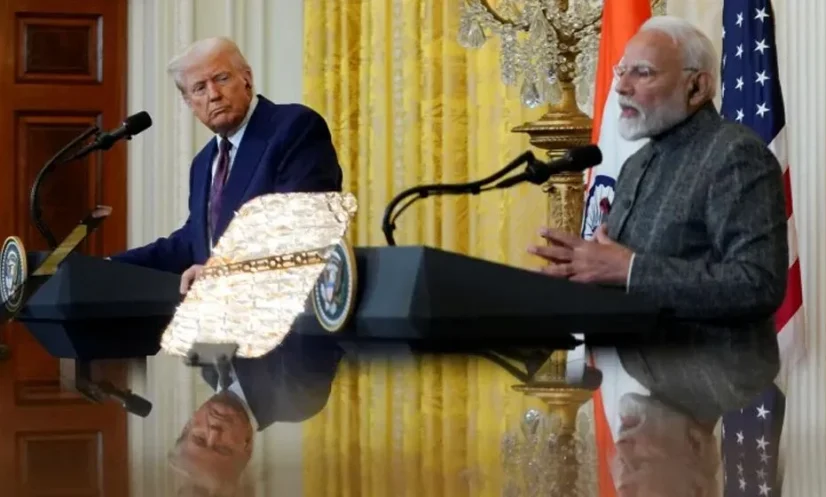
India is increasingly making its disagreements with the administration of US President Donald Trump public, particularly over trade policy, purchases of Russian oil, US relations with Pakistan and Washington’s approach to terrorism.
Indian External Affairs Minister S. Jaishankar has recently highlighted several of these differences. Speaking at an event in New York, he criticized what he described as “self-centred” approaches to international policy and questioned Washington’s understanding of India’s security concerns, particularly the threat of terrorism.
Trade Tensions: Trade has become one of the major areas of disagreement between India and the United States. In 2025, bilateral goods trade was worth around $149.1 billion, with India recording a goods trade surplus of approximately $58.4 billion with the United States.
Although negotiations on a bilateral trade agreement are continuing, the two sides have yet to reach a final deal.
Agriculture remains one of the most sensitive issues. India has long maintained restrictions to protect its farmers, while the United States has pushed for greater access to the Indian agricultural market. Jaishankar has argued that India cannot ignore the impact of trade decisions on its farmers and domestic economy.
## Russian Oil and Tariff Concerns
India’s continued purchases of Russian crude oil have also created tensions with Washington. The United States has taken measures aimed at putting pressure on countries buying Russian energy, raising concerns in New Delhi about the potential impact on trade and energy costs.
India, however, has maintained its policy of purchasing energy based on its national interests and energy-security requirements.
Pakistan and Terrorism: Pakistan is another major area of disagreement.
Following the military confrontation between India and Pakistan in 2025, US President Donald Trump claimed that Washington had helped facilitate a ceasefire. India has traditionally opposed third-party mediation in disputes with Pakistan.
New Delhi has also expressed concerns about Washington’s engagement with Islamabad. Jaishankar has emphasized that terrorism remains a major security concern for India, which has long accused Pakistan-based groups of involvement in attacks against India.
H-1B Visas and Domestic Concerns : Immigration policy has also become an important issue in India-US relations. Indian professionals have historically been among the major beneficiaries of the US H-1B visa programme.
Changes introduced by the Trump administration to the visa system and associated costs have raised concerns in India. Jaishankar said international mobility had traditionally been viewed as an economic benefit, but that immigration policy and economic interests were increasingly coming into conflict.
Analysts have also pointed to domestic political pressure in India as a factor influencing the government’s increasingly outspoken approach toward Washington.
Strategic Ties Remain: Despite the growing disagreements, India and the United States continue to maintain important strategic, economic, defence and technological ties.
Analysts say both countries have an interest in keeping the relationship intact while managing their differences over trade, energy, Pakistan, immigration and other issues. The progress of ongoing trade negotiations is likely to remain an important factor in the future direction of bilateral relations. Source: Agencies.