


 Play store

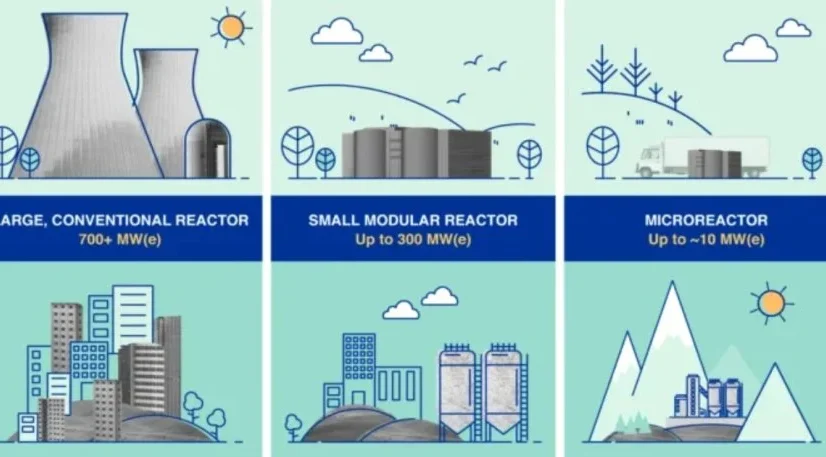
Bangladesh has begun exploring the feasibility of deploying small modular reactors (SMRs) alongside the large-scale Rooppur nuclear power project.
As part of the initiative, a team of experts from China Energy Engineering Corporation (CEEC) recently inspected a potential site in the char areas of Madarganj in Jamalpur. The Bangladesh Power Development Board (BPDB) had earlier shown the Chinese side four possible locations for SMR-based power plants.
The development was reported on Friday, October 2, citing BPDB Chairman Engineer Md. Rezaul Karim.
He said four locations had been identified for possible modular reactor plants and the CEEC team had visited Madarganj the previous week. The team is also expected to visit Rangabali in Patuakhali for another feasibility assessment.
The BPDB has already signed a non-binding memorandum of understanding (MoU) with CEEC to explore cooperation on the proposed modular nuclear power project.
According to Rezaul Karim, Bangladesh plans to set up modular nuclear power plants at different locations with a combined capacity of 200 MW to 300 MW.
A small modular reactor is an advanced nuclear reactor designed to generate electricity on a smaller scale than conventional nuclear plants. The International Atomic Energy Agency generally defines SMRs as advanced reactors with an electrical capacity of up to 300 MW per unit.
Their components can be manufactured in factories and transported to sites for assembly. This approach could allow power capacity to be added gradually and may offer greater flexibility in some electricity systems.
For Bangladesh, however, the proposal is still at the feasibility and planning stage. Any project would require detailed assessments of site suitability, reactor technology, nuclear safety, environmental impact, costs, grid integration and regulatory requirements.
Rezaul Karim said further steps would be taken with support from the Ministry of Science and Technology after the technical and geographical assessments are completed.
If the necessary issues are settled, Bangladesh would move toward developing small- and medium-sized modular power plants with support from the ministry, he said.
The initiative shows that Bangladesh is examining nuclear power options beyond the 2,400 MW Rooppur project. It also reflects growing international interest in smaller reactor technologies as countries seek reliable sources of electricity.
Rooppur progress remains unclear
Meanwhile, the BPDB chairman said the board does not yet have a clear picture of the current progress or commissioning timeline of either unit of the Rooppur nuclear power plant.
The BPDB has started discussions on a power purchase agreement (PPA) for electricity from the plant. However, the final electricity tariff has not yet been determined, Rezaul Karim said.
Earlier in 2026, the BPDB projected a provisional tariff of Tk 6.72 per kilowatt-hour for electricity from Rooppur. The estimate was based on assumptions because the board had not received complete information on the project’s financial and operating costs.
The SMR initiative could add a new dimension to Bangladesh’s nuclear energy programme, which is currently centred on the Rooppur project.
However, the Madarganj site visit and the non-binding MoU do not mean that an SMR project has been approved or that construction is about to begin.
Any final decision would depend on detailed technical, economic, environmental and nuclear safety assessments, as well as the necessary regulatory approvals.