


 Play store

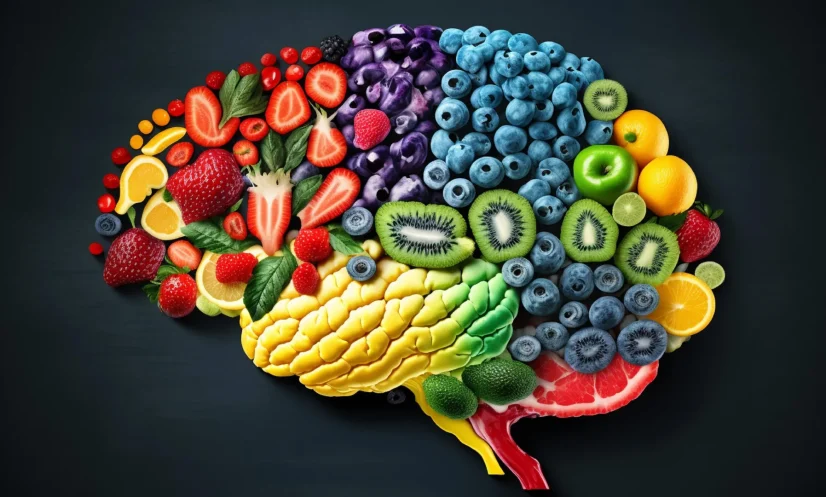
A diet combining elements of the Mediterranean diet with an eating plan designed to lower blood pressure may help slow age-related changes in the brain, according to a new study published online in the Journal of Neurology Neurosurgery & Psychiatry.
Researchers found that people who followed the MIND diet more closely experienced less loss of brain tissue over time, particularly grey matter, which is important for memory, learning, decision-making and information processing.
The diet was also associated with slower enlargement of the brain’s ventricles, fluid-filled spaces that normally expand as brain tissue declines with age.
The MIND diet — short for Mediterranean-DASH Diet Intervention for Neurodegenerative Delay — emphasizes green leafy and other vegetables, berries, nuts, whole grains, fish, beans, olive oil and poultry. It recommends limiting red meat, butter and margarine, cheese, sweets, pastries and fried fast food.
For the study, researchers followed 1,647 middle-aged and older adults from the Framingham Heart Study Offspring cohort. Their average age was 60 at the start of the study.
Participants underwent health assessments every four to eight years and repeated brain MRI scans between 1999 and 2019. Their dietary habits were assessed through food-frequency questionnaires.
Over an average follow-up of 12 years, participants showed the expected age-related reductions in total brain, grey matter, white matter and hippocampal volumes.
However, higher MIND diet scores were associated with slower grey matter loss. Every three-point increase in the diet score was linked to about 20% less age-related decline, which the researchers estimated was equivalent to delaying brain aging by about 2.5 years.
A similar association was found in ventricular enlargement, with a three-point increase linked to about 8% less change, equivalent to roughly one year of delayed brain aging.
Berries and poultry appeared to contribute particularly to the favorable associations. In contrast, greater consumption of sweets and fried fast foods was linked to some unfavorable changes in brain structure.
The researchers cautioned that the study was observational and cannot prove that the MIND diet directly causes slower brain aging. Dietary questionnaires may also be affected by inaccurate recall.
The study was also limited by the largely White study population and the inability to fully account for some factors, including genetic risks and changes in diet over time.
The researchers said the findings nevertheless support the potential role of the MIND diet as part of strategies aimed at maintaining brain health and slowing neurodegenerative changes during aging.