Play store

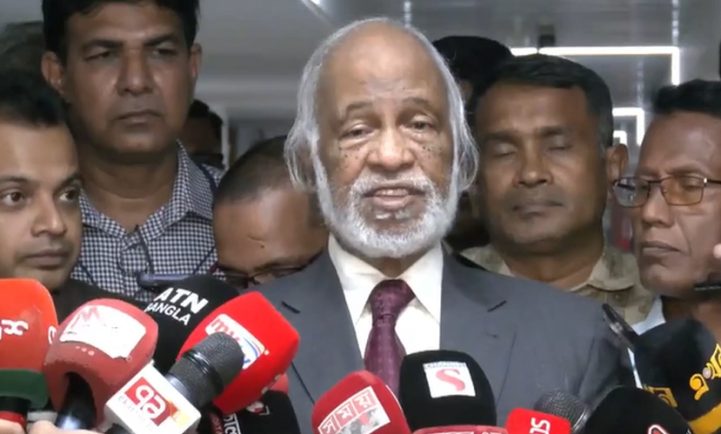
Various organisations, including UNICEF, the World Bank and WaterAid, will provide $2.1 billion in financing to ensure access to safe drinking water for people across Bangladesh, Local Government Minister Dr Abdul Moeen Khan said on Thursday.
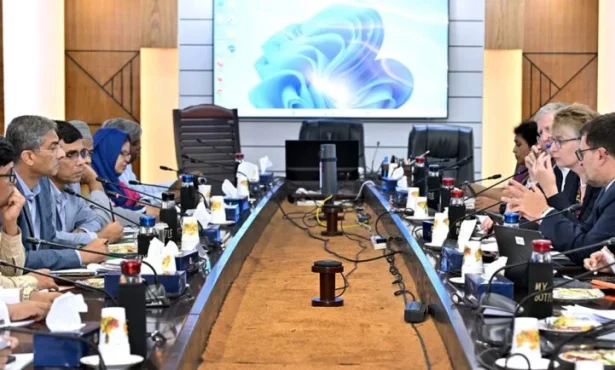
He made the disclosure after a meeting with a UNICEF delegation at the ministry in Dhaka on October 8.
“We discussed a very important issue with UNICEF today — how we can ensure safe water reaches the 180 million people of Bangladesh,” the minister said.
He said water was essential for life but could also become a cause of death if contaminated with pollutants or disease-causing organisms.
The meeting focused on addressing the challenges of ensuring safe drinking water across the country, he said.
Khan said Bangladesh has abundant river water, but many rivers are drying up as water is withdrawn upstream.
“This is causing desertification-like conditions in the northern districts, while the reduced flow of freshwater into the Bay of Bengal is allowing salinity to move further inland in the southern region,” he said.
As a result, people in coastal and southern Bangladesh have faced serious shortages of potable water over the past several decades, he added.
The minister said the government’s responsibility was to ensure access to safe drinking water and that discussions had also focused on working with the United Nations and other development partners to mobilise the necessary financing.
Asked about the cost of the proposed safe-water projects, Khan said the combined financing from various organisations, not just UNICEF, would amount to about $2.1 billion, equivalent to roughly Tk25,000 crore.
He said Bangladesh had received substantial support from both bilateral and multilateral donors, although he acknowledged that the country had not always used such assistance effectively.
Foreign aid is also declining as wealthy countries face economic difficulties and reduce assistance to poorer nations, he said.
Khan also said the government was working to improve accountability and address past wastage and corruption.
UNICEF Representative to Bangladesh Gillian Mellsop said UNICEF would work with Bangladesh to ensure safe and potable water for everyone