Play store

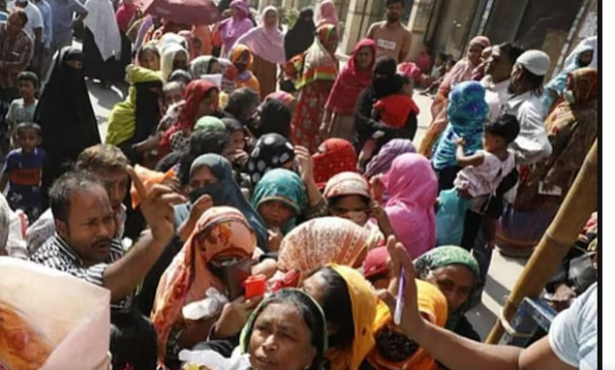
Mohsin Hossain, Bangkok: Around 1.2 billion young people in developing countries are expected to reach working age over the next 10 to 15 years, while current trends suggest that only about 420 million jobs will be created during the same period, posing a major challenge for the global economy.
The World Bank Group and the International Monetary Fund (IMF) are stressing the need to put job creation at the centre of development strategies, boost private investment and harness technology to improve productivity to address the widening employment gap.
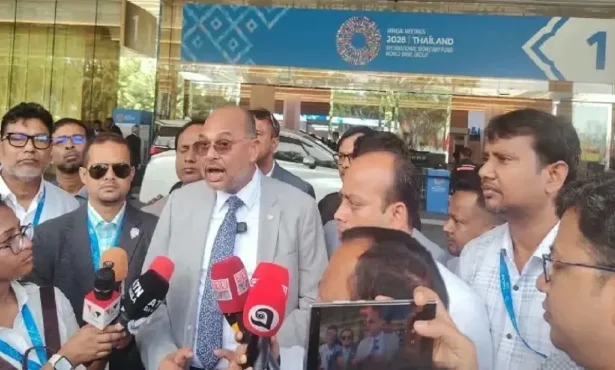
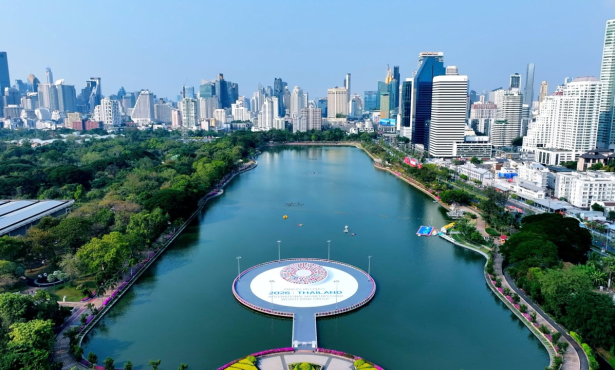
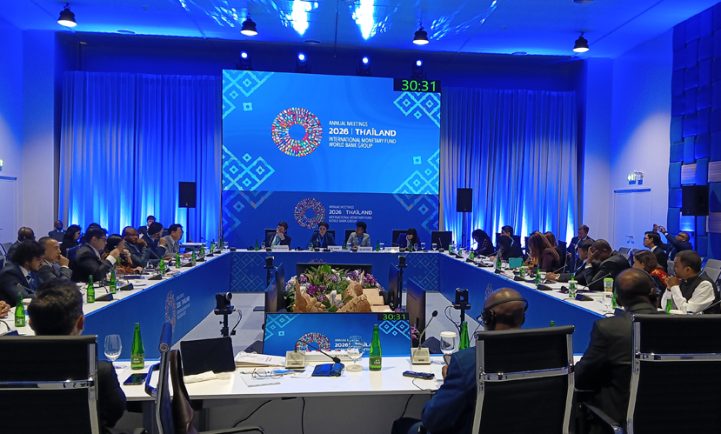
The 2026 annual meetings of the IMF and the World Bank Group began in Bangkok, Thailand, on October 12 and will continue until October 18. Finance ministers, central bank governors, policymakers, development partners and business leaders from around the world are attending the meetings.
Global economic growth, investment, financial stability, employment and the impact of artificial intelligence (AI) are among the key issues on the agenda.
The World Bank’s employment strategy emphasises that economic growth alone is not enough; growth must translate into productive jobs offering better wages and working conditions.
Achieving this will require investment in infrastructure and human capital, a business-friendly environment and the mobilisation of private capital for productive activities.
A widening employment gap
According to figures released by the World Bank, around 1.2 billion young people in developing countries will reach working age over the next 10 to 15 years, but only about 420 million jobs are expected to be created if current trends continue.
The resulting gap highlights the scale of the challenge facing developing economies as they seek to absorb a rapidly expanding workforce.
The World Bank is emphasising the role of the private sector as a key partner in investment and job creation, rather than relying solely on government initiatives.
Investment in electricity, transport, ports, urban infrastructure, education, healthcare and skills development will be essential. Governments also need to ensure predictable policies and an efficient business environment to encourage entrepreneurship and investment.
AI offers opportunities and risks
The impact of AI has emerged as a major topic at the annual meetings.
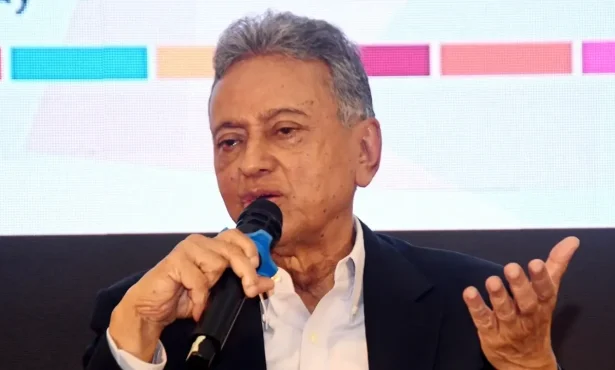
During a session titled “Small AI, More and Better Jobs” on October 12, World Bank Group President Ajay Banga, IMF Managing Director Kristalina Georgieva and Singapore President Tharman Shanmugaratnam discussed the potential of practical and affordable AI technologies in developing countries.
AI could improve productivity in agriculture, healthcare, education, business and entrepreneurship. However, its rapid adoption could also transform existing jobs, reduce entry-level opportunities and widen the gap between skilled and less-skilled workers.
According to the IMF, nearly 40 per cent of jobs worldwide could be affected by AI. This does not necessarily mean that all those jobs will disappear. In many occupations, the nature of work will change, some tasks will become automated and new employment opportunities may emerge.
Preparing workers for these changes through reskilling and vocational training will therefore be essential to ensuring that the benefits of technological progress are widely shared.
Mobilising private investment
Increasing private investment in developing economies is another major priority at the meetings.
A session titled “Mobilizing Private Capital for Jobs” is scheduled for October 14, focusing on ways to reduce investment risks in emerging economies, expand local-currency financing, provide financial guarantees and introduce policy reforms to attract new capital.
According to the World Bank, three areas are particularly important for job creation: investment in basic infrastructure and human capital, a predictable and supportive business environment, and the mobilisation of private capital on a large scale.
Coordinated progress in these areas could create employment opportunities in manufacturing, agribusiness, healthcare, tourism and value-added production.
Implications for Bangladesh
The discussions in Bangkok carry particular significance for developing countries such as Bangladesh, where creating productive jobs for young people, diversifying export-oriented industries, attracting foreign investment and supporting small and medium-sized enterprises remain important economic priorities.
Expanding technical education, digital skills training and job-oriented vocational programmes will be crucial as AI and other digital technologies reshape the labour market.
Improving investor confidence, reducing barriers to doing business, upgrading power and transport infrastructure and expanding access to finance for women and young entrepreneurs could also support employment generation.
However, international discussions and financing commitments alone will not guarantee the creation of new jobs. Tangible results will depend on effective policies, accountability, efficient use of investment and closer alignment between education and labour-market needs.
The central message emerging from the IMF-World Bank annual meetings in Bangkok is that development should be measured not only by economic growth rates but also by the quality and number of jobs created.
Providing productive employment opportunities for young people will be one of the biggest tests facing developing economies over the coming decade.