


 Play store

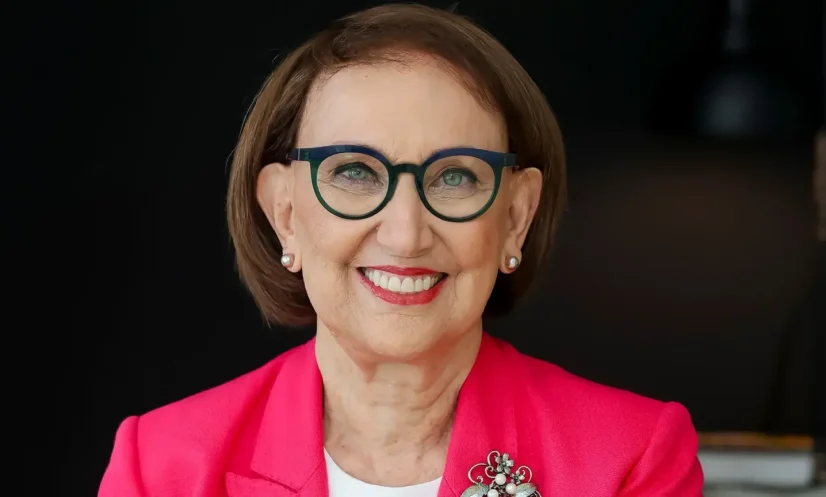
Rebeca Grynspan has emerged as a leading contender to become the next United Nations secretary-general, but divisions among major powers and the organisation’s deepening financial crisis could complicate her bid.
The former Costa Rican vice president has led informal Security Council straw polls involving seven candidates, although her support has fluctuated. António Guterres is due to leave office at the end of December, with his successor facing mounting pressure to restore confidence in multilateral diplomacy.
Under Article 97 of the UN Charter, the General Assembly appoints the secretary-general on the recommendation of the 15-member Security Council. A candidate needs at least nine council votes and must avoid a veto from any of its five permanent members — China, France, Russia, the United Kingdom and the United States.
Grynspan received nine encouraging votes and six discouraging votes in the fifth round, highlighting the uncertainty surrounding her candidacy. A subsequent round separating the votes of permanent and elected members is expected to offer a clearer indication of potential vetoes.
Whoever secures the post will inherit an organisation facing severe financial constraints and geopolitical divisions that have weakened its ability to respond to international crises.
According to the UN80 Initiative, arrears in assessed contributions to the regular and peacekeeping budgets rose from $3.4 billion in 2022 to $6.6 billion by April 2026. The funding shortfall has forced staffing reductions and operational cutbacks.
The United States, traditionally the UN’s largest financial contributor, has reduced funding and demanded institutional reforms under President Donald Trump. Washington has criticised bureaucracy and inefficiency but has also made payments and funding pledges to parts of the UN system, indicating a selective approach rather than a complete withdrawal.
The next secretary-general will face the difficult task of reducing costs while preserving the organisation’s diplomatic, humanitarian and peacekeeping work.
Grynspan has argued that the UN has become too cautious in responding to international crises. She has called for stronger mediation efforts and greater willingness to pursue diplomatic initiatives, even when their chances of success are uncertain.
She has also advocated reducing bureaucratic duplication and consolidating overlapping responsibilities, arguing that budget cuts alone cannot make the organisation more effective.
However, the secretary-general’s influence has limits. The office can initiate diplomatic efforts, coordinate UN agencies and propose reforms, but major decisions on international security and funding remain largely in the hands of member states.
The succession contest will therefore determine not only who leads the UN, but also how much political backing and financial support the next chief receives to address the organisation’s challenges.