


 Play store

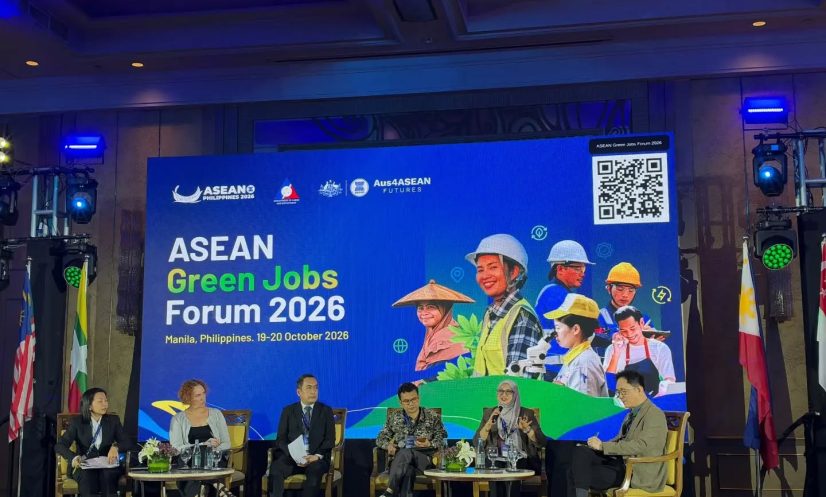
Ahmadul Kobir, Malaysia: Malaysia has reaffirmed its commitment to expanding green employment opportunities and developing a skilled workforce to support the transition to a sustainable economy across Southeast Asia.
The commitment was highlighted at the two-day ASEAN Green Jobs Forum (AGJF) 2026, held in Manila, the Philippines, on October 19–20, where Malaysia joined regional discussions on green skills development, decent work and an inclusive transition to environmentally sustainable industries.
The Malaysian delegation was led by Sutekno bin Ahmad Belon, Deputy Secretary-General (Operations) of the Ministry of Human Resources (KESUMA), and included representatives from the ministry and other relevant government agencies.
Held under the theme “Building Green Skills, Creating Green Jobs: Advancing a Just and Inclusive Workforce”, the forum brought together government representatives, employers, workers, industry stakeholders, academics and strategic partners from across ASEAN. The Philippines hosted the event as part of its ASEAN Chairmanship in 2026.
The forum built on the initiative launched in 2025, when Malaysia hosted the previous edition. Discussions focused on strengthening regional cooperation and advancing the implementation of the ASEAN Framework and Action Plan for a Just and Inclusive Transition to Green Jobs 2025–2030.
During the meeting, Malaysia shared its experiences and best practices in policy implementation, strategic planning and the development of industries linked to green employment. It also highlighted initiatives to expand environmentally friendly job opportunities in line with the country’s MADANI Economy framework.
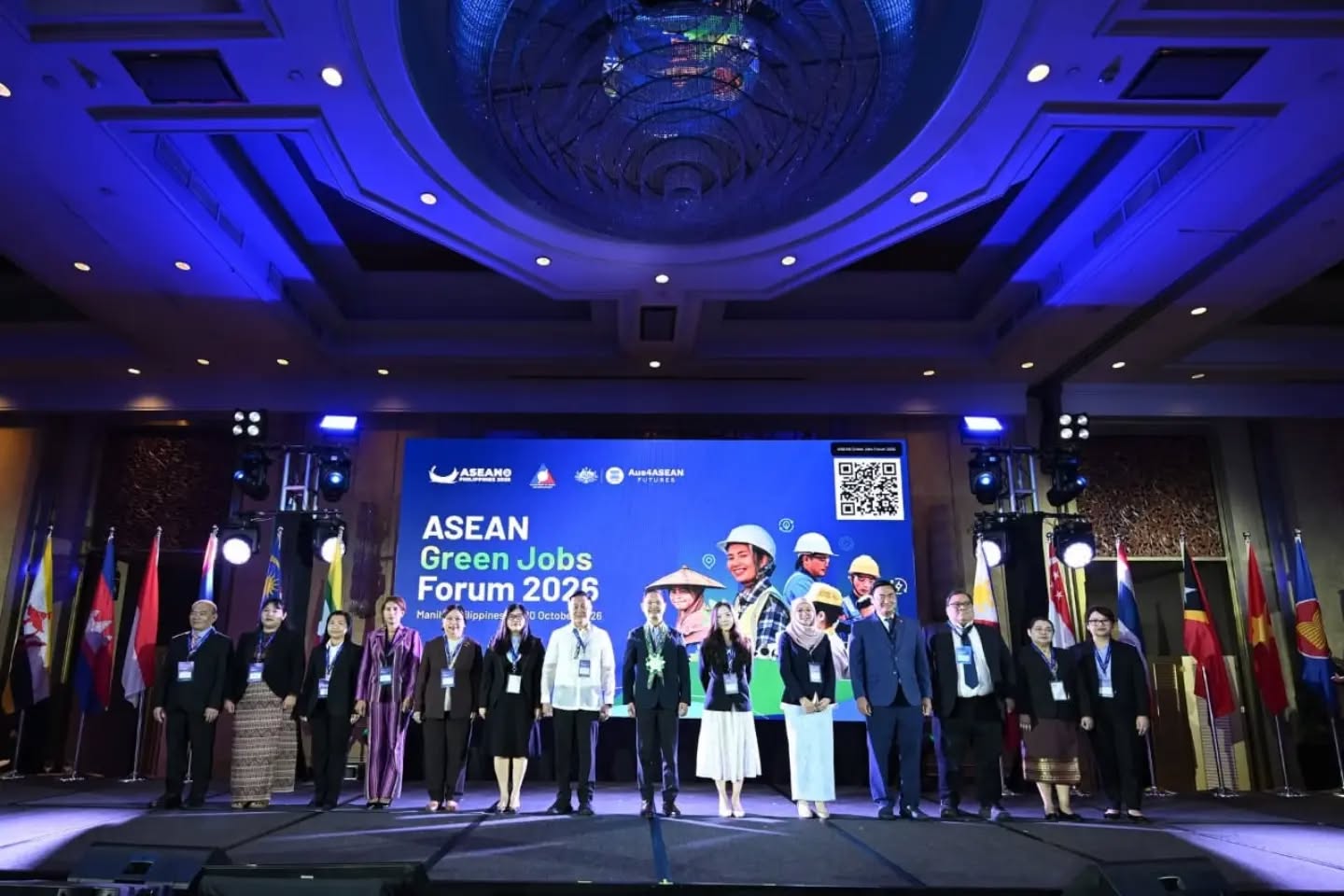
Malaysia further participated in discussions on labour standards and occupational safety and health (OSH), stressing the importance of protecting workers’ rights and ensuring safe and decent working conditions as economies move towards greener production and services.
Skills development and retraining emerged as key priorities in the country’s approach to the green transition. Malaysia highlighted the need to equip existing workers with new skills and technological knowledge while preparing a workforce capable of meeting the evolving requirements of emerging green industries.
The country also emphasised stronger regional cooperation in Technical and Vocational Education and Training (TVET). Closer collaboration in vocational training, it noted, could help align workers’ skills with changing labour market demands and improve access to employment opportunities in environmentally sustainable sectors.
The transition to a green economy involves more than establishing new industries. It also requires workers to have the skills needed for emerging occupations, access to safe workplaces, protection of their rights and equal opportunities to participate in the changing labour market.
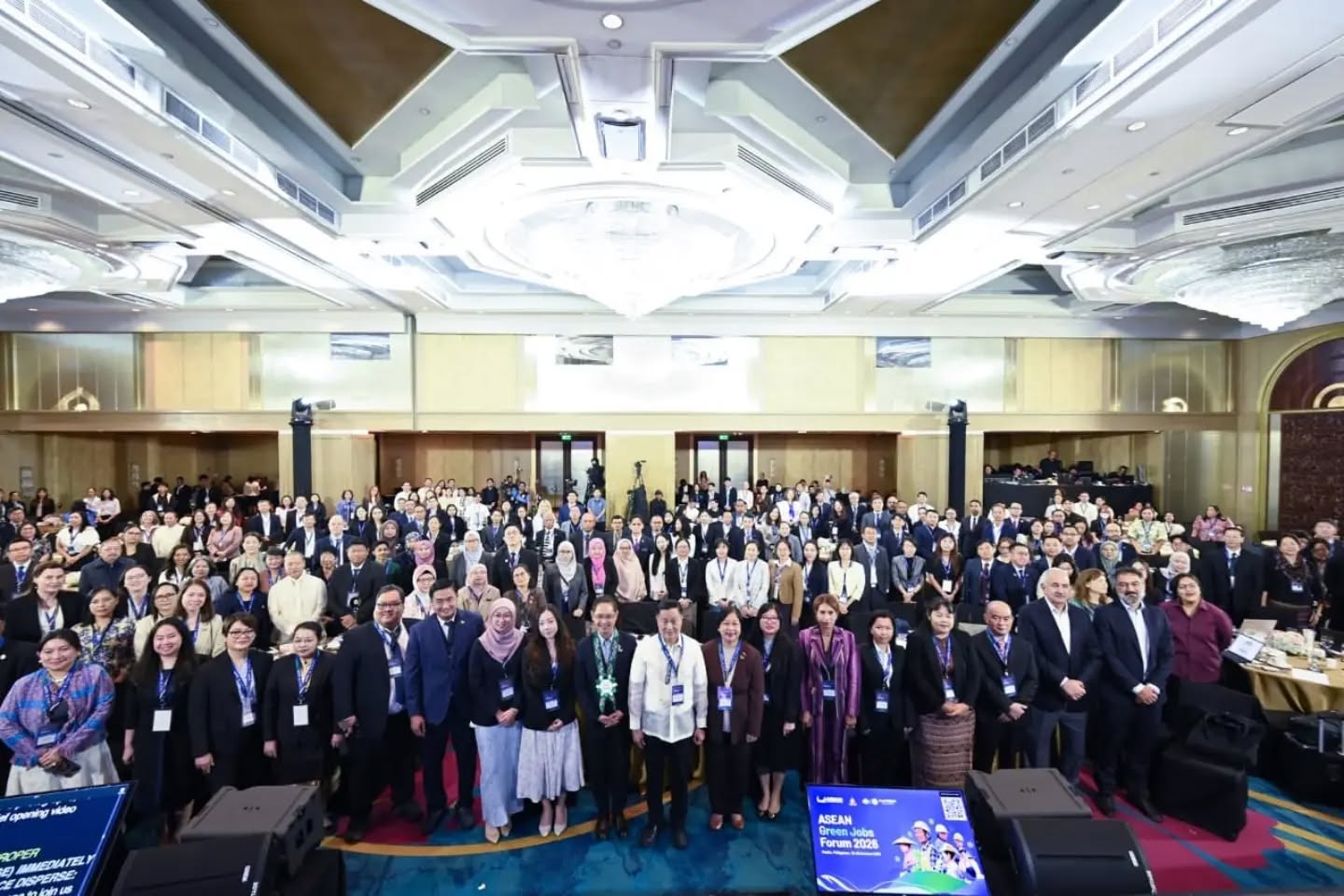
These issues featured prominently in the Manila discussions, with participants highlighting the importance of coordinated regional action to ensure that the benefits of green economic growth are shared fairly among workers and communities.
The ASEAN Framework and Action Plan for 2025–2030 is expected to support closer policy coordination, facilitate the exchange of skills and knowledge, and accelerate efforts to create green employment opportunities across member states.
Malaysia reiterated its readiness to continue working with ASEAN partners, drawing on its policies and experience to help develop a skilled, inclusive and resilient workforce capable of supporting the region’s transition towards a more sustainable economy.