


 Play store

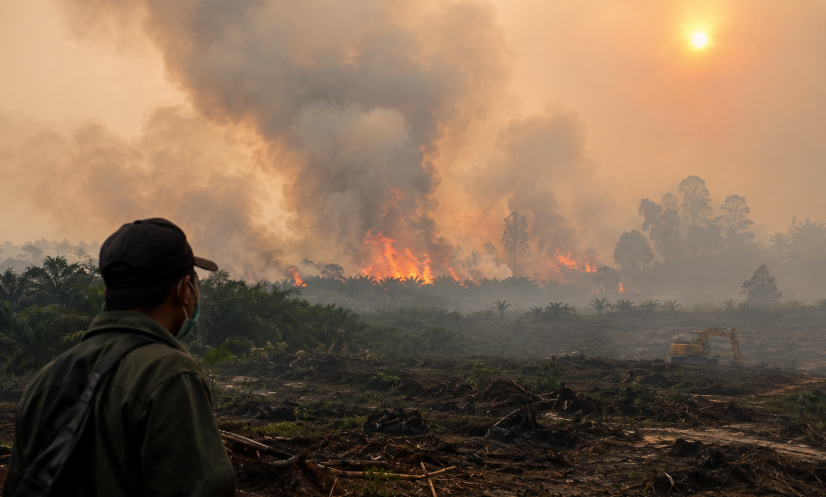
Indonesia’s severe forest fires have reignited calls to hold companies accountable for widespread burning and regional haze, as environmental groups link many fire hotspots to commercial plantations.
Nearly two million hectares have burned this year, according to deforestation monitor Nusantara Atlas. Experts say deforestation, drained peatlands and drought intensified by a strong El Niño have made the landscape more vulnerable to fires.
Environmental group WALHI found that around half of the high-confidence fire hotspots it mapped using NASA data were inside company concessions, including palm oil and timber plantations.
Singapore has issued preventive notices to 10 companies under its Transboundary Haze Pollution Act, urging them to control fires and submit action plans. Non-compliance could lead to legal action and fines.
Some companies deny responsibility, arguing that fires began outside their concessions and spread onto their land. Experts say satellite data can help identify where fires started but cannot always establish whether they were deliberate.
Indonesia has imposed administrative sanctions on dozens of companies and launched criminal proceedings against 125 individuals and corporations. However, environmental campaigners say enforcement remains a challenge, with some companies failing to pay fines or restore damaged forests.
Legal experts say companies may still face civil liability if they fail to maintain adequate fire prevention measures, even when fires originate elsewhere.
The issue also has international implications, as plantation ownership, financing and supply chains extend beyond Indonesia. Experts stress that these connections alone do not prove responsibility but can help identify who should be held accountable.