


 Play store

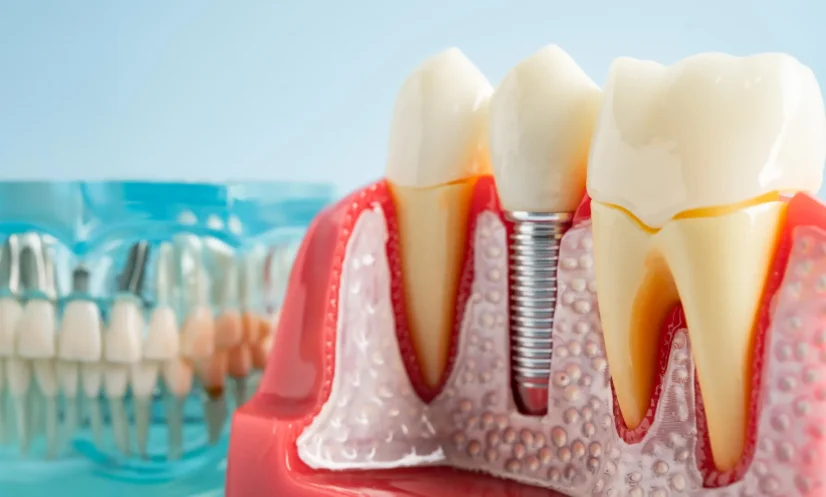
Scientists have identified a possible reason why infections around dental implants often resist antibiotics, discovering that tiny titanium particles can disrupt the immune system and trigger bone loss.
The study, published in PNAS Nexus by researchers at Rutgers School of Dental Medicine, found that bacteria can corrode titanium implants, releasing microscopic metal particles into surrounding tissues.
These particles interfere with macrophages, immune cells that normally fight infections, keeping them in a state of prolonged inflammation while weakening their ability to destroy bacteria.
The condition, known as peri-implantitis, affects as many as one in five dental implant recipients and can gradually destroy the bone supporting an implant.
Researchers examined human tissue samples, studied immune cells in the laboratory and conducted experiments using genetically engineered mice. They identified a calcium channel called TRPC1 that plays a key role in triggering the harmful immune response.
Disabling the channel in mice prevented the disease, pointing to a potential target for future treatments. However, further research is needed to determine whether the approach is safe and effective in humans.
The researchers also found that immune cells exposed to titanium particles engulfed fewer than half as many bacteria as unexposed cells.
Georgios Kotsakis, the study’s senior author and an assistant dean for clinical research at Rutgers, said the findings could help scientists develop treatments that address the underlying cause of implant infections rather than targeting bacteria alone.
The team believes the findings could lead to new therapies for peri-implantitis, which often responds poorly to conventional antibiotic treatment.
The research also highlights the importance of protecting implant surfaces from damage, including during professional dental cleaning.