Play store

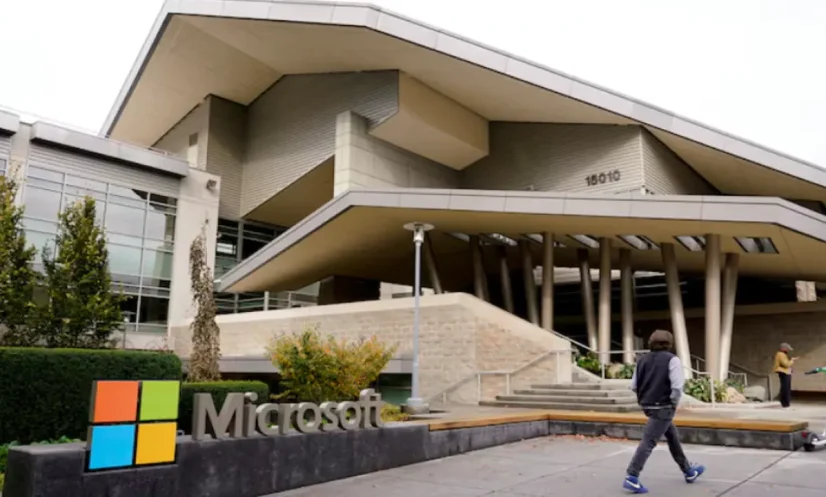
Technology giant Microsoft has offered voluntary buyouts to around 60,000 employees as it seeks to control costs and increase investment in artificial intelligence (AI), Reuters reported on Monday.
The initiative aims to reduce operating expenses while allowing the company to continue investing heavily in AI technologies and infrastructure. Major technology companies are spending billions of dollars on data centres, advanced chips and computing capacity to support AI development.
According to a source familiar with the matter, employees across several Microsoft divisions may be eligible for the voluntary departure programme.
These include AI Experiences, Copilot, finance, human resources, Xbox, and Windows and Devices. Employees in marketing, commercial operations and security will not be covered by the programme.
In a message to employees, Microsoft Chief People Officer Amy Coleman said the offer would help those considering opportunities outside the company move on to the next stage of their careers. It would also allow divisions to adjust staffing levels to changing business needs.
Microsoft’s annual report showed that the company had 223,000 full-time employees worldwide as of June 30, 2026. If the offer reaches 60,000 employees, it could affect a substantial portion of its global workforce.
The move comes as rising AI investment raises questions about costs and future returns across the technology sector. Microsoft has forecast capital expenditure of $175 billion for the current year, prompting scrutiny from investors over whether the massive spending will generate sufficient financial returns.
The company has already taken steps to restructure its workforce this year. Earlier, it offered voluntary departures to around 9,000 employees in the United States and announced approximately 4,800 job cuts worldwide in July. The restructuring also included changes to its Xbox gaming business.
Microsoft was scheduled to release its financial results for the first quarter of its fiscal year after market close on Wednesday, with investors closely watching its spending and cost-control measures.