


 Play store

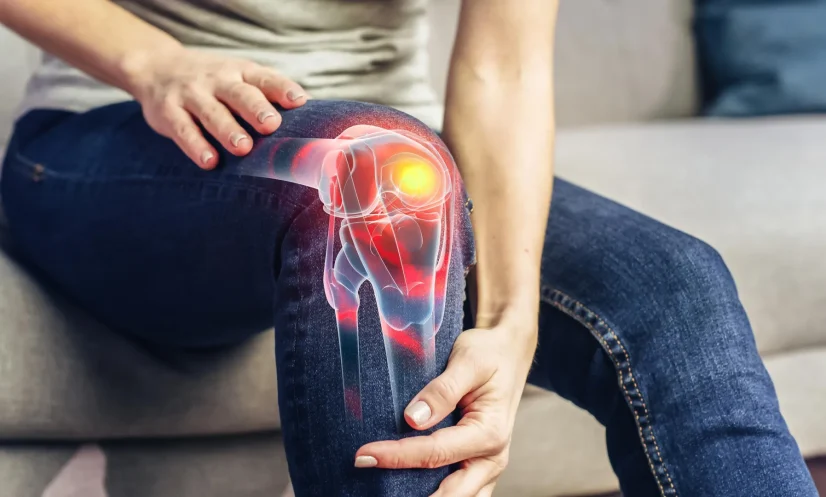
A daily fibre supplement may help reduce knee arthritis pain and improve muscle strength, according to a clinical trial led by researchers at the University of Nottingham.
The six-week study involving 117 adults with knee osteoarthritis found that participants taking inulin, a prebiotic fibre, experienced significant reductions in pain, improved grip strength and lower sensitivity to pain.
The findings, published in the journal Nutrients, suggest that targeting gut health could offer an additional approach to managing osteoarthritis symptoms, although further research is needed to establish the benefits and long-term effects.
The researchers also found that participants assigned to the fibre supplement alone were more likely to remain in the study than those assigned to digitally supported physical therapy alone. Dropout rates were 3.6 per cent and 21 per cent, respectively.
“This study raises the exciting possibility that a simple dietary change — adding a fibre supplement to your breakfast or yogurt — could meaningfully reduce pain and improve physical function,” said lead author Dr Afroditi Kouraki of the university’s School of Medicine.
Knee osteoarthritis is a common cause of chronic pain and disability, particularly among older adults. It develops as tissues within the joint, including the cartilage that cushions the ends of bones, deteriorate over time. Symptoms include pain, stiffness and swelling, which can make walking and climbing stairs difficult.
Current treatments focus on relieving symptoms and maintaining mobility through medication, exercise and physical therapy. However, persistent pain can make it difficult for some patients to follow exercise programmes consistently.
Inulin is a naturally occurring dietary fibre found in foods such as chicory root and Jerusalem artichokes. It passes through the small intestine largely undigested and reaches the large intestine, where beneficial gut bacteria ferment it.
This process produces short-chain fatty acids, including butyrate, which helps maintain the intestinal lining and may influence inflammation and biological processes associated with pain.
Participants taking inulin showed increased butyrate levels, suggesting that the supplement altered activity in the gut microbiome, the community of microorganisms living in the digestive tract.
The researchers also observed higher levels of glucagon-like peptide-1 (GLP-1), a hormone involved in regulating blood sugar and appetite that has also been linked to pain regulation and muscle health.
Higher GLP-1 levels were associated with better grip strength, although the study did not establish that the hormone directly caused the improvement.
GLP-1 is also the target of medicines such as Ozempic and Wegovy. However, inulin is a prebiotic fibre, not a GLP-1 medication; the researchers investigated whether changes in gut bacteria could influence the body’s natural hormone production.
The randomised controlled INSPIRE trial divided participants into four groups: those receiving inulin alone, digitally supported physical therapy exercises alone, a combination of both interventions, or a placebo.
Both inulin and physical therapy independently reduced knee pain, indicating that the two approaches may offer benefits through different mechanisms.
The results highlight the potential relationship between gut bacteria, pain perception and physical function. However, the trial lasted only six weeks and involved a relatively small number of participants, so larger and longer studies will be needed to confirm the findings.
The researchers’ findings do not establish that inulin can replace established osteoarthritis treatments. Instead, the supplement could potentially complement existing approaches to managing the condition, subject to further clinical evidence.