


 Play store

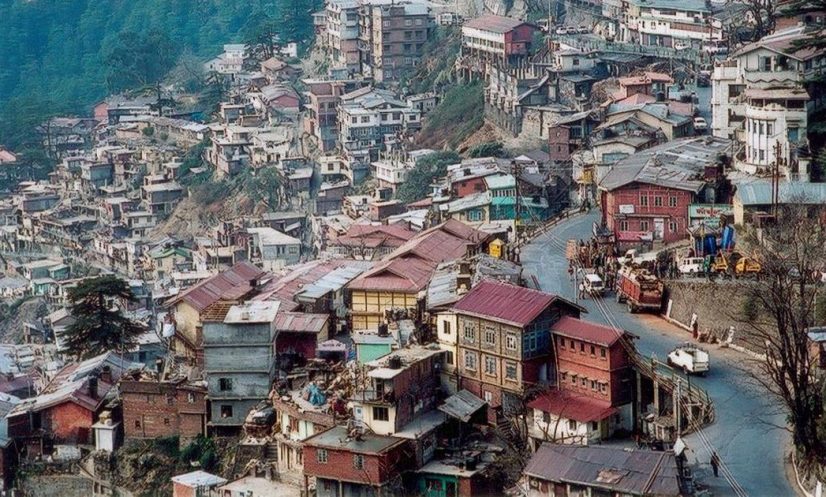
At least 300,000 people in the Himalayan region are living under direct threat from extreme natural disasters as tourism and housing developments expand rapidly without proper planning, according to a newly published study.
The research, published in the peer-reviewed journal Scientific Reports, found that construction in vulnerable areas of northern Nepal, parts of southeastern Tibet and Uttarakhand in India increased by more than 45 per cent on average between 2016 and 2023.
The growth was even sharper in areas highly vulnerable to glacial lake outburst floods (GLOFs), where construction increased by around 78 per cent during the period.
The nine researchers from the United Kingdom, Nepal and India warned that the actual number of people at risk could be much higher, as the study covered only selected areas and excluded neighbouring vulnerable regions.
The research examined a 50-kilometre stretch of lower Himalayan river basins and areas surrounding around 1,360 glacial lakes, identifying extensive infrastructure development, tourism facilities and housing expansion.
The findings come amid repeated disasters in the region. In August, devastating floods in Nepal reportedly killed more than 1,400 people and left thousands missing. On October 11, flooding along the Budhi Gandaki River left five people missing, damaged around 200 houses and swept away five bridges.
The risks are particularly evident in Pokhara, a popular tourist destination that has undergone extensive urbanisation over the past three decades.
Mayor Dhana Raj Acharya said the Seti Gandaki River, which flows through the city from the Annapurna range, posed a major threat. Some old buildings stand just five metres from the river despite regulations requiring safe distances, raising questions about how residents could be relocated.
Similar concerns have emerged along the Annapurna Circuit trekking route, where riverside settlements face landslides and sudden floods.
Furpa Chiring Lama, a homestay operator, said only five of his 20 rooms were occupied during what should have been the peak tourist season. He described the situation as unprecedented in his 40 years in the business.
Hotel owner Krishna Gawchan, whose property lies beside the Modi River, said residents remained fearful of sudden flooding triggered by a glacier collapse or the bursting of a glacial lake.
Geographer Khagendra Paudel of Tribhuvan University said tourism investors were promoting new destinations without adequately considering disaster risks. Laxman Subedi, president of the Pokhara Hotel Association, acknowledged that businesses had expanded without proper planning.
Beyond tourism, hydropower projects are also proliferating along the Bhote Koshi and Trishuli rivers.
Lead author Si Scott Watson, a glaciologist at the University of Leeds, warned that growing populations in river valleys and poorly planned development decisions could increase disaster risks for decades.
The study’s risk assessment may also underestimate the danger. It examined areas up to 50 metres above river or lake levels, but floodwaters in Rasuwa district reportedly reached heights of 70 metres on August 26, burying structures far from riverbanks under mud and debris.
Scientists say the Himalayas are warming at roughly twice the global average, accelerating the melting of glaciers, ice fields and permafrost. These changes, combined with geological instability and earthquakes, are increasing the risk of landslides, avalanches and sudden glacial lake floods. Nepal has recorded around 30 such events since 1940.