Play store

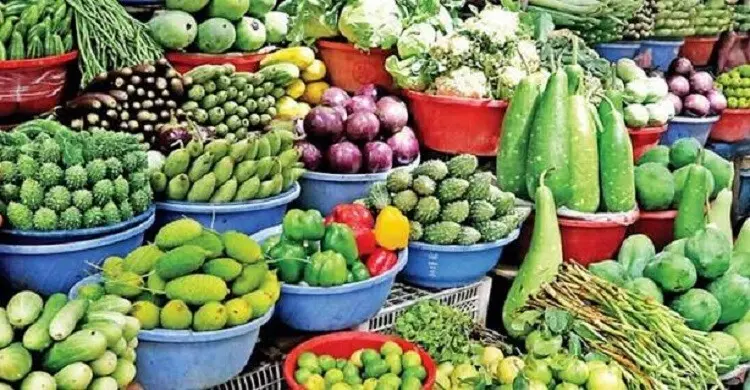
Food inflation in Bangladesh eased in the first quarter of the 2026-27 fiscal year, driven by falling prices of vegetables, rice and wheat, although the costs of several essential and nutritious food items remain high.
According to a Bangladesh Bank report titled Inflation Dynamics in Bangladesh: July–September 2026, average food inflation fell to 7.13 per cent in the first quarter, down from 8.68 per cent in the previous quarter.
Overall inflation also declined to 8.31 per cent from 9.21 per cent during the same period.
However, prices of protein-rich foods, including eggs, potatoes, fish, meat and milk, remain elevated. These items account for more than 51 per cent of food inflation.
Despite easing food prices, inflation in the energy sector increased. Bangladesh Bank data show that energy inflation rose to 17.4 per cent in the first quarter from 17 per cent in the previous quarter.
Inflation in fuels such as wood, agricultural waste, cow dung and jute sticks increased from 21.8 per cent to 22.1 per cent. Similarly, inflation in liquid fuels and lubricants rose from 13.8 per cent to 14.7 per cent.
The report noted that the impact of the fuel price hike introduced in late September had not yet been fully reflected in the Consumer Price Index (CPI). As a result, energy inflation could rise further in the coming months.
Higher fuel costs could also increase transportation and production expenses.
Imported goods are making an increasing contribution to overall inflation.
According to Bangladesh Bank, imported food and non-food products accounted for 27 per cent of overall inflation in the first quarter, up from 24.9 per cent in the previous quarter.
Meanwhile, the contribution of domestically produced goods declined from 75.1 per cent to 73 per cent.
The Bangladesh Trade and Tariff Commission (BTTC) reported that higher duties and taxes on imported fruits, including maltas, apples, pears and grapes, have pushed up their market prices. Rising global commodity prices have also affected domestic markets.
Rising costs of essential goods, house rent, transportation and medical services are putting increasing pressure on household budgets.
A recent Bangladesh Bureau of Statistics (BBS) survey found that 47 per cent of households were forced to borrow money to meet their daily expenses.
Bangladesh Bank’s report said real income and purchasing power had declined over the past two years as inflation consistently outpaced wage growth.
Although the gap between wage growth and inflation narrowed slightly in the first quarter of the current fiscal year, it began widening again towards September, largely due to slower wage growth.
Overall, despite some improvement in food inflation, high fuel prices, expensive imported goods and protein-rich foods, coupled with sluggish wage growth, continue to put pressure on people’s living costs and purchasing power.