Play store

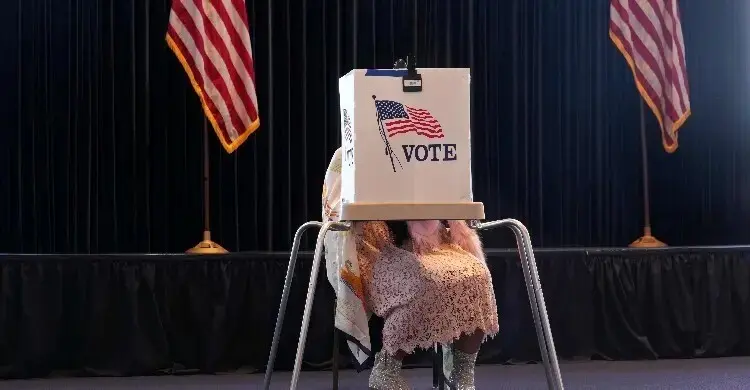
WASHINGTON, Nov 2: Voters across the United States will go to the polls on Tuesday (November 3) for the 2026 midterm elections, a crucial vote that will determine control of Congress and influence the final two years of President Donald Trump’s administration.
The election will determine whether Republicans retain their narrow majorities in Congress or Democrats manage to take control of one or both chambers. Republicans currently hold a 218–214 majority in the House, with one independent member caucusing with them, and a 53–47 majority in the Senate. Democrats need a net gain of four seats in each chamber to secure control.
What is at stake?
The election is particularly significant because it will serve as a nationwide assessment of Trump’s presidency since he returned to the White House in January 2025.
The results could affect his ability to implement policies during the remaining two years of his term.
If Democrats take control of the House, they could launch congressional investigations into the Trump administration, exercise greater oversight and challenge its legislative priorities. A Democratic-controlled Senate could also complicate the confirmation of presidential nominees, including federal judges and senior government officials.
Key issues driving the campaign
The rising cost of living, inflation, healthcare, immigration, employment and the US-led war with Iran have emerged as major issues for voters. The administration’s economic policies, including tariffs, have also drawn attention during the campaign.
Closely watched races
Several Senate contests in states including Alaska, Iowa, Maine, Michigan, North Carolina, Ohio and Texas are expected to play an important role in determining control of the chamber.
Both parties are also competing in closely contested House districts across the country.
What happens next?
The newly elected Congress is scheduled to begin its 120th session in January 2027.
The election will not remove Trump from office, as the president is elected separately for a four-year term.
However, the outcome could significantly change the balance of power between the White House and Congress.
The results are also expected to influence both parties’ political strategies ahead of the 2028 presidential election.