Play store

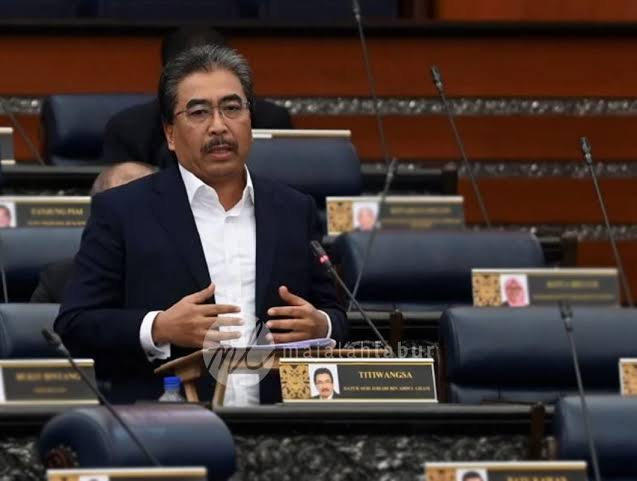
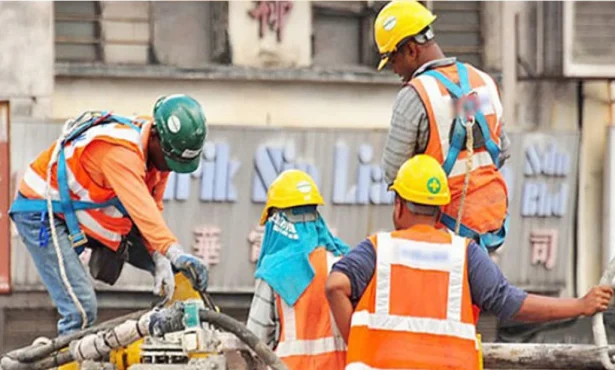
Ahmadul Kobir, Malaysia: Malaysia must reduce its dependence on foreign workers and restrict their recruitment primarily to dirty, dangerous and difficult (3D) jobs, Investment, Trade and Industry Minister Datuk Seri Johari Abdul Ghani has said.
He described the continued reliance on foreign labour, particularly among long-established companies, as a major challenge for the country’s labour market management.
Speaking at the Dewan Rakyat, the lower house of Malaysia’s Parliament, on November 2, Johari said the country currently had approximately 2.6 million foreign workers. Under the 13th Malaysia Plan (13MP), the number was expected to decline gradually, but the target had yet to be achieved.
He said many companies that had been operating in Malaysia for 10 to 20 years continued to seek foreign workers, making it difficult for the government to reduce the country’s dependence on foreign labour.
“Most companies that have operated in Malaysia for a long time have maintained their dependence on foreign workers. This is a very critical problem for us to manage. Therefore, the recruitment of foreign workers must primarily be focused on 3D jobs, which are dirty, dangerous and difficult,” he said.
Johari was responding to a question raised by Tan Hong Pin, Member of Parliament for Bakri.
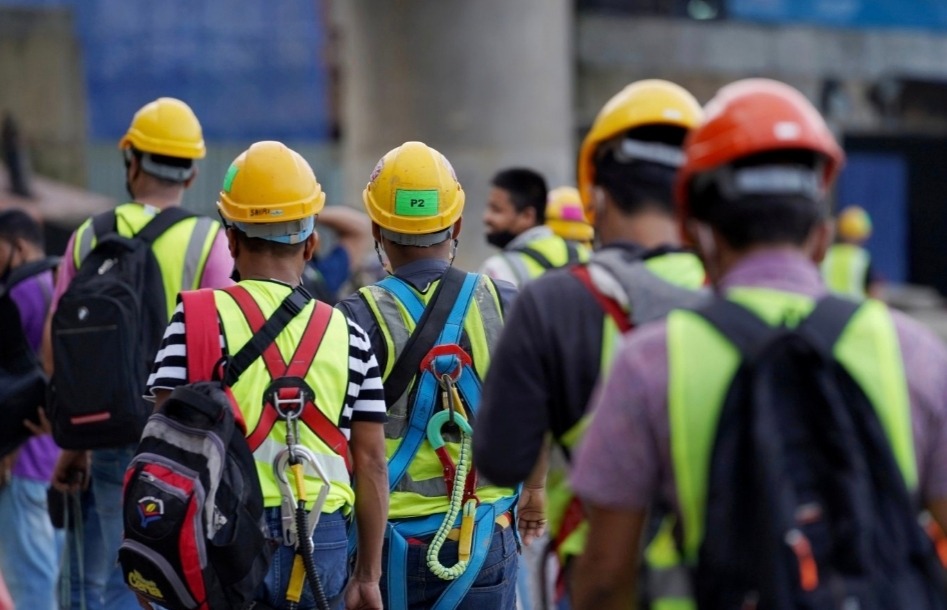
Tan said many manufacturing companies in Malaysia had already increased their use of automation and advanced technology. However, they still needed certain categories of unskilled workers to maintain production operations, most of whom were foreign nationals.
He expressed concern that manufacturing companies seeking approval to recruit additional foreign workers were often advised to relocate their factories to Indonesia or Vietnam if they wanted access to cheaper labour.
According to Tan, such advice sent a worrying signal to the country’s industrial and investment sectors, potentially encouraging factories and entrepreneurs to move their operations out of Malaysia.
He asked whether the ministry would assess automation levels across different industries and introduce greater flexibility in foreign worker recruitment policies for companies that had already reached the limits of automation.
He also urged the government to consider the actual labour requirements of manufacturing companies to ensure that restrictions on foreign worker recruitment did not undermine industrial production and investment.
Earlier, on September 8, Johari said industries applying to recruit foreign workers must clearly explain why foreign labour was necessary for 3D jobs.
For applications involving positions outside the 3D categories, companies would be required to specify the salaries offered and the minimum educational or professional qualifications required for the respective positions.
The government’s position reflects its intention to gradually reduce dependence on foreign labour while encouraging industries to adopt automation and improve productivity.
However, balancing labour policy with the actual workforce requirements of industries will remain a major challenge. Without adequate consideration of labour shortages, technological limitations and production costs, Malaysia’s manufacturing and investment sectors could face difficulties in maintaining their competitiveness.