Play store

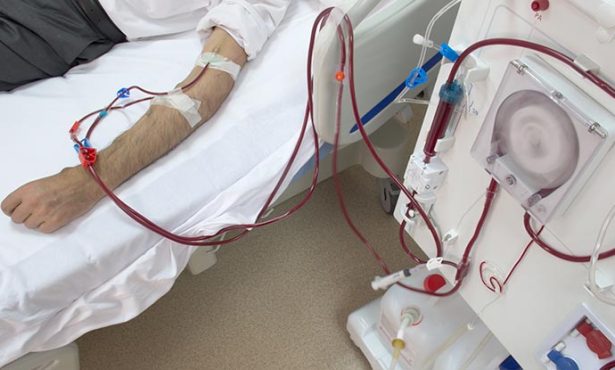
The government has extended its contract with India’s Sandor Medicaids Pvt Ltd for another six months to ensure uninterrupted dialysis services at two centres in Dhaka and Chattogram, as preparations for shifting to government-run services remain incomplete.
Health and Family Welfare Minister Sardar Md Sakhawat Hossain Bakul confirmed the extension to Samakal on Tuesday, saying the decision was taken to protect the treatment of kidney patients who depend on the centres.
The minister said the government had started procuring new dialysis machines to bring the services under its own management. However, more time is needed to finalise the machine specifications, install the equipment and make the facilities fully operational.
He said the six-month extension would prevent disruption to treatment for hundreds of poor patients who regularly receive dialysis at the two centres. Ensuring continuity of care remains the government’s priority, he added.
In 2015, the then Directorate General of Health Services signed a 10-year public-private partnership (PPP) agreement with India’s Sandor Medicaids. The contract was scheduled to expire in November this year.
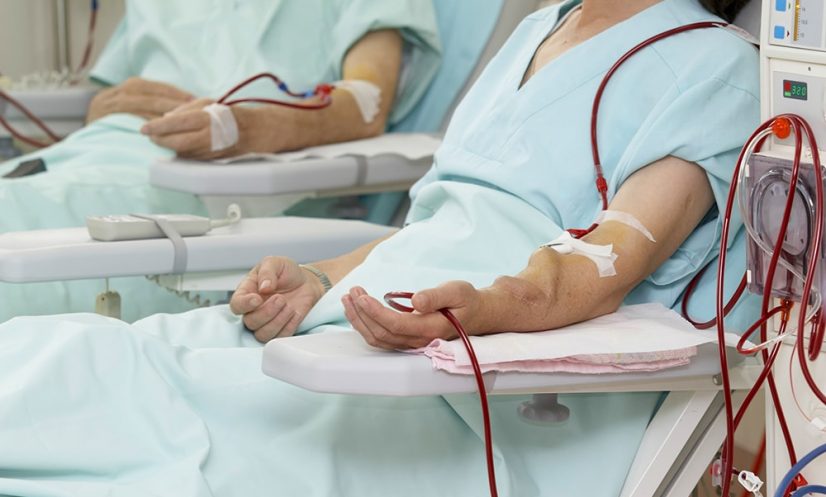
Around 500 poor patients in Dhaka and Chattogram depend on the two dialysis centres operated by the company at the National Institute of Kidney Diseases and Urology (NIKDU) and Chattogram Medical College Hospital.
The impending expiry of the agreement had raised concerns about possible disruption to their treatment. Patients and their relatives recently held a press conference and appealed to the authorities to ensure uninterrupted services.
According to ministry sources, the government plans to complete preparations for an alternative, government-managed service during the extended six-month period.
Installation of 60 new dialysis machines at divisional hospitals is already underway. The government also has a long-term plan to provide 10 dialysis machines to every upazila in phases.
The health minister said patients would continue receiving dialysis at Sandor’s centres at the existing subsidised rates until the new government-run system becomes operational. He urged patients not to be confused or worried about the transition.