


 Play store

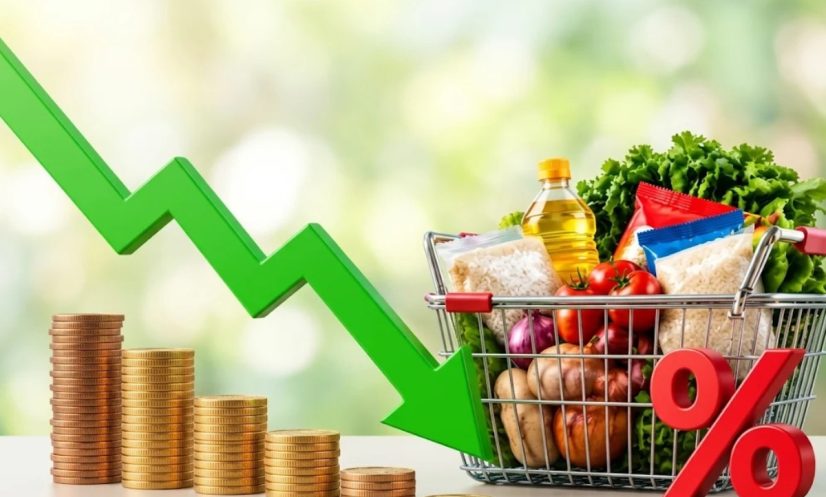
Bangladesh’s overall inflation eased slightly to 8.27% in October, offering some relief to consumers. However, rising fuel prices and higher production costs pushed non-food inflation to 9.89%, its highest level in 41 months.
In contrast, food inflation dropped to 6.40%, the lowest in 54 months, as supplies of early winter vegetables began increasing in the markets.
The latest figures were released by the Bangladesh Bureau of Statistics (BBS) on Monday, showing a mixed picture of the country’s inflationary situation.
According to the BBS, overall inflation stood at 8.34% in September before declining slightly to 8.27% in October. However, the rate was still higher than the 8.17% recorded in October last year.
Although falling food prices provided some relief, rising costs of non-food goods and services continued to put pressure on household budgets.
Food inflation declined to 6.40% in October from 7.22% in September, marking the lowest level in the past 54 months. The previous low was 6.23% in April 2022.
Market operators and analysts attribute the decline largely to the arrival of early winter vegetables, which has helped increase supplies and ease prices. They expect the growing availability of seasonal vegetables to have a further positive impact on food inflation in the coming months.
The picture was quite different in the non-food segment. Inflation in this category rose to 9.89% in October from 9.30% in September, reaching its highest level in 41 months. The previous comparable high was 9.96% in May 2023.
Dr M Masrur Reaz, chairman and chief executive of private research organisation Policy Exchange Bangladesh, said the slight decline in overall inflation was a positive sign, but the persistently high non-food inflation meant there was little room for complacency.
He said food inflation had eased as early winter vegetables started arriving in the markets. However, higher fuel prices, increased transportation costs and slower imports of raw materials had intensified inflationary pressure in the non-food sector.
According to Masrur Reaz, the fuel price hike in September had increased production costs across various sectors, including transportation. The resulting cost pressures had been reflected in the prices of different non-food goods and services.
He also pointed to a slowdown in raw material imports, which had disrupted production in some industries and contributed to supply shortages in the market.
In rural areas, overall inflation edged down to 8.29% in October from 8.38% in September. The rate was 8.16% in October last year.
Rural food inflation declined to 6.37% in October. However, non-food inflation climbed above the double-digit mark to 10.21%, compared with 9.57% in September.
In urban areas, overall inflation fell marginally to 8.25% in October from 8.26% in the previous month.
Urban food inflation declined to 6.42% from 7.25% in September. However, non-food inflation increased to 9.25% from 8.94% over the same period.
The figures indicate that while falling food prices are helping to moderate overall inflation, rising non-food costs are continuing to affect both rural and urban households.
Alongside the inflation figures, the BBS data showed a further slowdown in wage growth in October, adding to the pressure on household purchasing power.
The national wage growth rate declined to 7.63% in October from 7.90% in September. It was 8.01% in the same month last year.
Wage growth has remained below the inflation rate for 57 consecutive months, meaning people’s earnings have consistently failed to keep pace with rising living costs.
The slowdown was recorded across all three major economic sectors.
In agriculture, wage growth fell to 7.55% in October from 7.89% in September. In the industrial sector, it declined to 7.62% from 7.86%, while growth in the services sector dropped to 7.96% from 8.07%.
The continued gap between inflation and wage growth means that workers are losing purchasing power despite nominal increases in their earnings.
Although overall inflation has eased slightly, rising non-food prices and slower wage growth suggest that the cost-of-living pressure remains substantial.
The situation is particularly concerning for low- and fixed-income households in rural areas, where non-food inflation has exceeded 10%, further squeezing already limited household budgets.