Play store

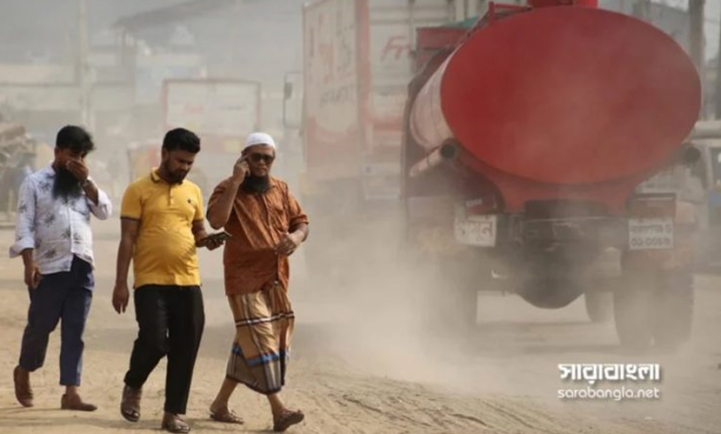
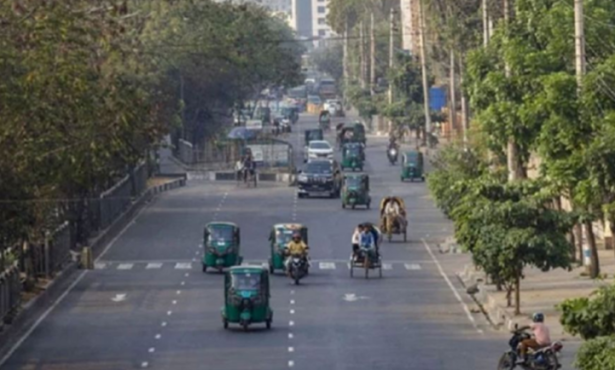
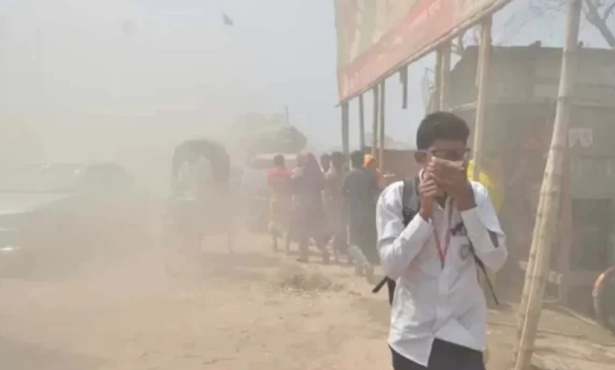
DHAKA: Air pollution in the capital has once again reached alarming levels with the onset of winter. According to Swiss air quality monitoring organisation IQAir, Dhaka ranked third among 126 major cities worldwide in terms of air pollution on Sunday morning.
The capital recorded an Air Quality Index (AQI) score of 206, which briefly rose to 221 around 8am, placing the city in the ‘very unhealthy’ category according to IQAir’s classification.
The situation was particularly alarming in the G Block of Bashundhara Residential Area, where the AQI reached 397, classified as ‘hazardous’. This was the highest reading among the city’s 10 monitoring stations. Gulshan Lake Park recorded an AQI of 278, while Baridhara Lakeside registered 245.
Among the world’s most polluted cities, Pakistan’s Lahore topped the list with an AQI score of 263, up from 252 at 8am. India’s Kolkata ranked second with a score of 232, compared with 243 at 8am. Dhaka remained in third place, with its AQI fluctuating between 206 and 221.
This means the three most polluted cities on the global list were all located in South Asia.
Environmentalists and public health experts have expressed deep concern over the deteriorating air quality in Dhaka. According to them, the city’s air has not been this polluted at any point this month, and the situation could worsen as the dry season progresses.
Experts identified fine particulate matter (PM2.5) as the primary pollutant in Dhaka’s air. Its concentration is reportedly up to 26 times higher than the World Health Organization’s (WHO) annual guideline level.
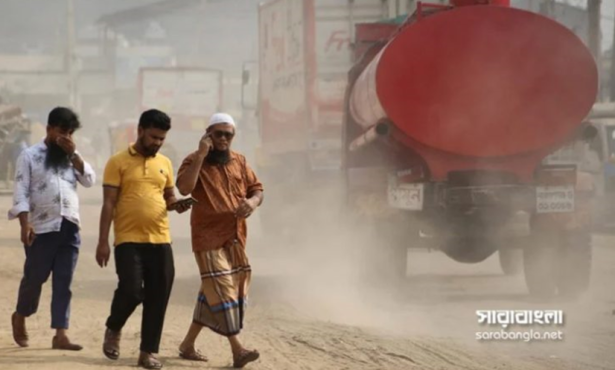
According to Bangladesh’s National Air Quality Management Plan and World Bank research, the major sources of pollution include emissions from brick kilns, black smoke from vehicles, industrial emissions, dust from unplanned construction activities and open waste burning.
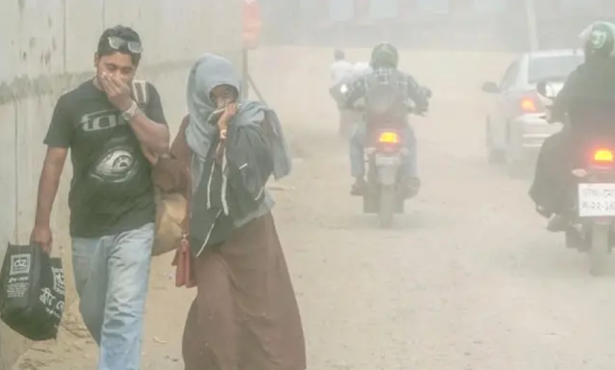
When inhaled, these harmful particles enter the lungs and bloodstream, posing serious health risks, particularly to children, older people and pregnant women. Potential health consequences include respiratory complications, heart disease, stroke and lung cancer.
Environmentalists say strict measures are needed to control pollution, including shutting down illegal brick kilns, banning unfit vehicles and those emitting black smoke, and enforcing regulations to control construction dust.
They also recommend regularly spraying water on city roads, preventing open waste burning and expanding green spaces.
For personal protection, residents are advised to avoid spending extended periods outdoors unless necessary, refrain from exercising in open spaces, keep doors and windows closed, and wear high-quality N95 masks when going outside.