Play store

India’s large-scale revision of electoral rolls has disproportionately affected Muslim voters, raising concerns over disenfranchisement, discrimination and the possible loss of citizenship rights.
The exercise, known as the Special Intensive Revision (SIR), has resulted in the removal of around 130 million names from electoral rolls across the country, marking the largest voter-list deletion exercise in India’s history.
According to a Reuters investigation published on November 16, 2026, Muslims have been particularly affected in West Bengal.
They accounted for approximately 70 per cent of the 2.7 million names removed following a detailed review, despite making up around 27 per cent of the state’s population.
The revision was introduced by the Election Commission of India to remove the names of deceased voters, duplicate registrations and individuals considered ineligible.
However, opposition parties and rights organisations have questioned the transparency and fairness of the process, alleging that eligible voters have also been excluded.
The controversy has become particularly serious as the removal of names from electoral rolls has, in some cases, been followed by questioning over citizenship, detention and deportation.
Reuters interviewed 10 families whose relatives faced detention, deportation or citizenship-related questioning after their names disappeared from the revised voter lists.
Some of those affected reportedly possessed Indian identity documents and had family members who remained registered voters.
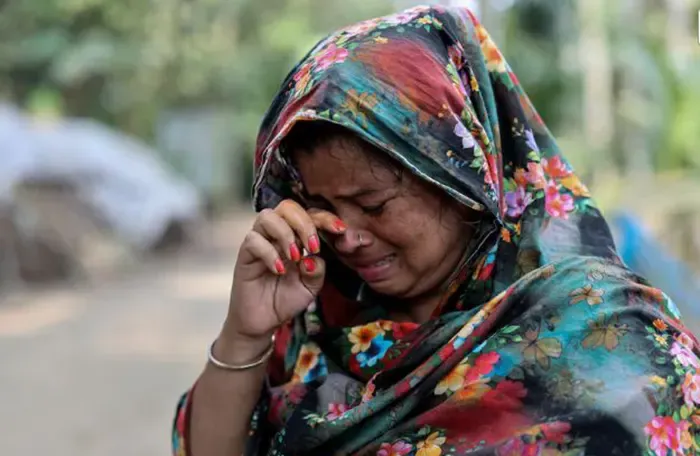
One such case involves Sahida Fakir, a 38-year-old Muslim woman who was reportedly detained in Mumbai and subsequently pushed across the border into Bangladesh. She is now living in Satkhira, separated from her husband and two sons.
India’s Home Minister Amit Shah has publicly linked the voter-list revision with efforts to identify and deport suspected undocumented migrants.
Speaking at a rally on November 5, he said the government intended to identify alleged infiltrators, remove their names from electoral rolls and expel them.
The ruling Bharatiya Janata Party (BJP), however, denies targeting legitimate Indian citizens.
Human rights organisations have also raised concerns about the revision process, arguing that unclear verification criteria, documentation requirements and administrative errors have disproportionately affected Muslims, women and economically disadvantaged communities.
The controversy has triggered protests and legal challenges, with affected voters seeking the restoration of their names and protection of their constitutional rights.
The issue has also intensified concerns in border regions, particularly West Bengal, where historical migration and family ties across the India-Bangladesh border make questions of citizenship especially sensitive.