Play store

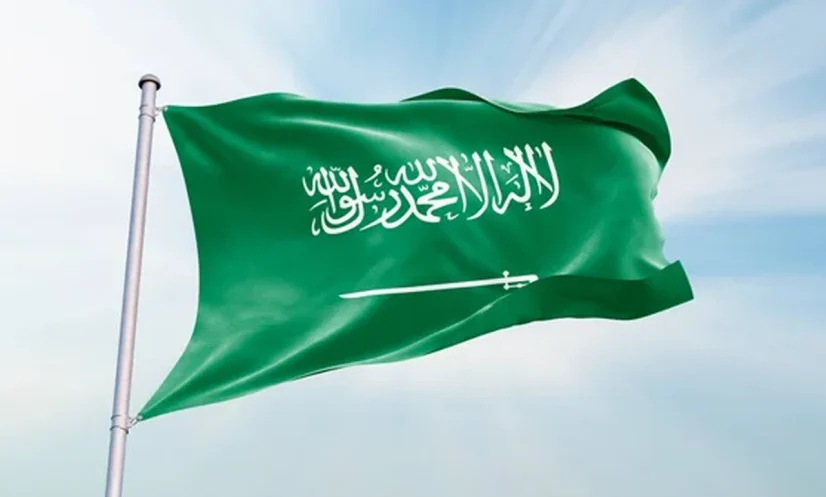
Saudi Arabia has executed Jawad Qurairis, who was arrested for allegedly taking part in anti-government protests as a child, along with another member of the country’s Shia community, Fadel Al-Safwani.
The Saudi state news agency reported the executions on Saturday.
Qurairis was accused of participating in anti-government protests during the Arab Spring in 2011-12, when he was just 14 or 15 years old. He was arrested in December 2020 on charges related to participating in protests and organising activities on social media.
Saudi Arabia’s Interior Ministry claimed that Qurairis and Al-Safwani were involved in terrorist activities. They were accused of joining a foreign terrorist organisation, attacking security personnel and vehicles with weapons and explosives, and possessing firearms and explosives.
According to Saudi authorities, their death sentences were carried out following trials before the specialised criminal court, approval by the Supreme Court and a royal decree.
However, Qurairis’s family alleged that he had been tortured and forced to make false confessions. Human rights organisations have also condemned his execution.
Jad Bassiouni, head of the death penalty project for the Middle East and North Africa at human rights organisation Reprieve, said Qurairis and three other young men recently executed had all been arrested over alleged protest activities when they were children.
He alleged that they had been tortured into making false confessions.
Bassiouni also accused Saudi authorities of using the death penalty to punish dissent under Crown Prince Mohammed bin Salman’s leadership. He urged Saudi Arabia’s international partners to take action to stop such executions.
According to Reprieve, Saudi Arabia has executed five people since August 2025 for alleged offences committed when they were minors. All five belonged to the Shia community and were convicted over their alleged participation in the 2011-12 protests.
Saudi Arabia’s eastern region has a predominantly Shia population and is home to some of the country’s largest oilfields. The area has witnessed repeated anti-government protests and security operations over the years.