


 Play store

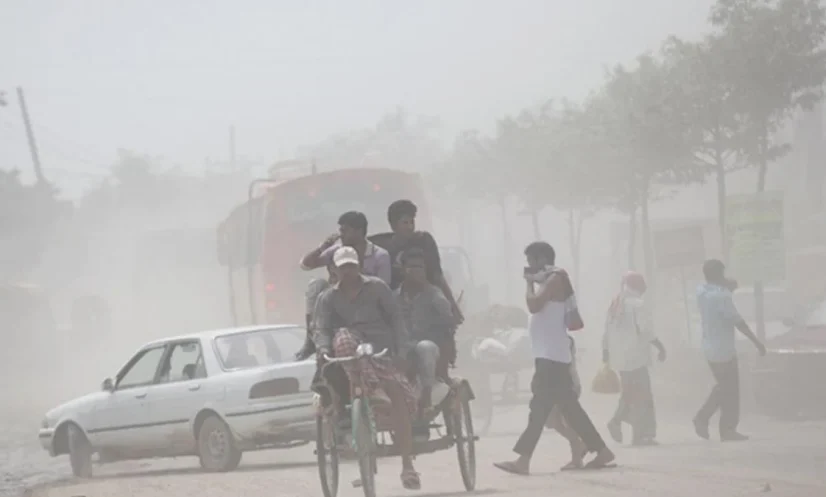
DHAKA: Dhaka has once again topped the list of the world’s most polluted cities, with an Air Quality Index (AQI) score of 292 at 11:30am on Tuesday.
The city’s air was classified as ‘very unhealthy’ at that level of pollution.
According to the AQI scale, even short-term exposure to air at this pollution level can pose health risks to otherwise healthy people. Prolonged exposure may lead to serious health problems.
Lahore in Pakistan ranked second on the list, with an AQI score of 246, followed by Kolkata in India at 232. Meanwhile, Karachi in Pakistan recorded an AQI score of 134.
What AQI Scores Mean
The Air Quality Index (AQI) is used to measure daily air pollution levels and assess their potential health impacts.
In Bangladesh, five major pollutants are considered when determining air quality. These include particulate matter (PM10 and PM2.5), nitrogen dioxide (NO2), carbon monoxide (CO), sulphur dioxide (SO2) and ozone.
Air quality levels and their potential effects on public health are assessed based on the concentrations of these pollutants.
According to the World Health Organization (WHO), air pollution causes approximately seven million deaths worldwide every year. Major causes of these deaths include strokes, heart disease, chronic lung diseases, lung cancer and acute respiratory infections.