Play store

The International Court of Justice (ICJ) is set to deliver its long-awaited ruling on Thursday (November 19) in a case accusing Myanmar of committing genocide against the Rohingya minority.
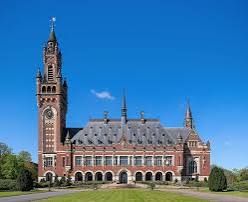
ICJ President Judge Yuji Iwasawa will read a summary of the judgment at 10am local time at the Peace Palace in The Hague, the Netherlands.
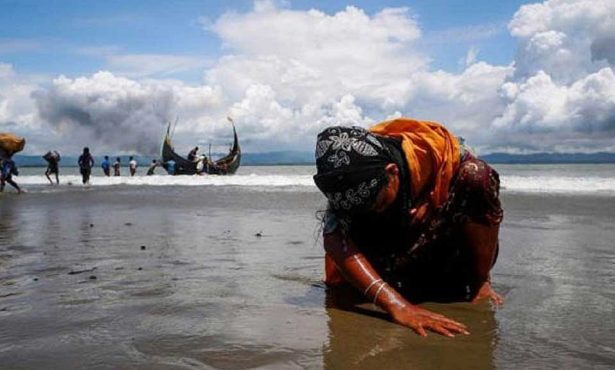
The Gambia filed the case against Myanmar in November 2019, accusing the country of violating the 1948 Genocide Convention. The case alleges that Myanmar’s military crackdown on the Rohingya in 2017 amounted to genocide, making the state responsible for the atrocities.
Following the military operation, at least 730,000 Rohingya fled to Bangladesh.
In its application, The Gambia asked the court to declare Myanmar responsible for violating the Genocide Convention, order it to cease any ongoing violations, provide reparations to the affected Rohingya and guarantee that similar violations would not occur in the future.
Myanmar has consistently rejected the genocide allegations, maintaining that its 2017 military operation was a counterterrorism campaign.
However, investigations by the United Nations have documented serious human rights violations during the crackdown, including killings, rape and the burning of villages.
On July 22, 2022, the ICJ ruled that it had jurisdiction to hear the case and that The Gambia’s application was admissible, allowing the proceedings to move forward.
Eleven countries, including Canada, Denmark, France, Germany, the Netherlands and the United Kingdom, subsequently announced their intention to intervene in the proceedings.
Thursday’s ruling is considered significant as it marks the court’s first major judgment on the Genocide Convention in more than a decade. For the Rohingya, it also represents a crucial moment in their longstanding pursuit of justice and accountability.
The ICJ rules on the responsibility of states, rather than conducting criminal trials against individuals. Its judgments are final and not subject to appeal.