Play store

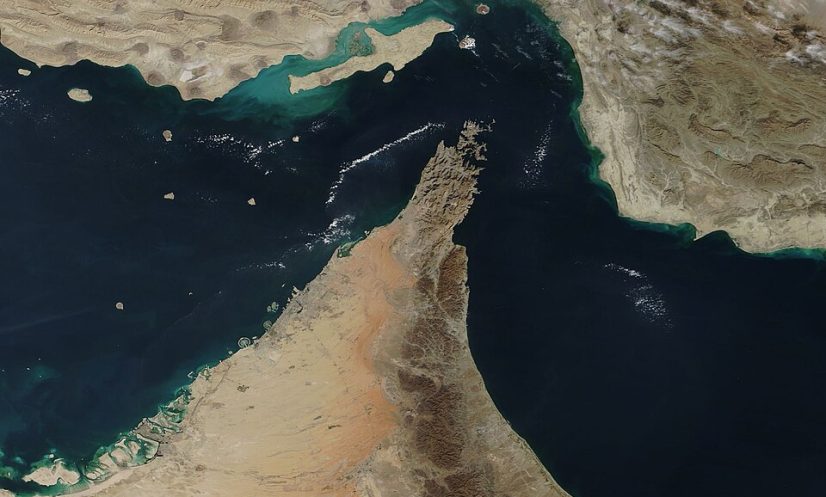
The world could end its dependence on the Strait of Hormuz for energy supplies by investing around $240 billion in alternative oil pipelines and new sources of energy, according to the International Energy Agency (IEA).
Before the Iran war disrupted shipping through the strategic waterway this year, around 20 per cent of global oil and liquefied natural gas (LNG) supplies passed through the strait, triggering one of the biggest energy supply shocks in history.
“The world can conceivably manage without the strait. It is difficult, but it can happen,” IEA Executive Director Fatih Birol said.
In its flagship World Energy Outlook report, the Paris-based agency said global oil markets could be rebalanced without restoring shipments through the Strait of Hormuz.
However, achieving this would require approximately $40 billion in new pipeline infrastructure and another $200 billion in investment in oilfields elsewhere in the world.
The IEA noted that Saudi Arabia’s East-West pipeline, which allows the kingdom to redirect oil exports to the Red Sea, helped it save around $60 billion in revenue during the initial months of the war.
New pipelines in Saudi Arabia, the United Arab Emirates and Iraq could increase oil flows bypassing the Strait of Hormuz to around 15 million barrels per day, the agency said.
Combined with lower oil demand and increased production in other regions, this could reduce shipments through the strait from their pre-war level of 20 million barrels per day to just two million barrels per day by 2035.
However, Qatar, one of the world’s leading LNG producers, has no alternative export routes for its liquefied natural gas supplies, the IEA pointed out.
The proposed investment also comes amid growing uncertainty over the long-term future of fossil fuels. Countries affected by this year’s energy crisis may seek to reduce their dependence on imported oil and gas.
“I don’t see any credible pathway for the energy world to return to the way it was before,” Birol said.
The IEA said energy-importing countries could increasingly rely on domestic energy sources, including coal, nuclear power and renewables, while accelerating the electrification of transport and heating.
To examine the potential impact of these changes, the agency introduced a new analysis in its annual outlook, highlighting different possible trajectories for global oil and gas consumption.