Play store

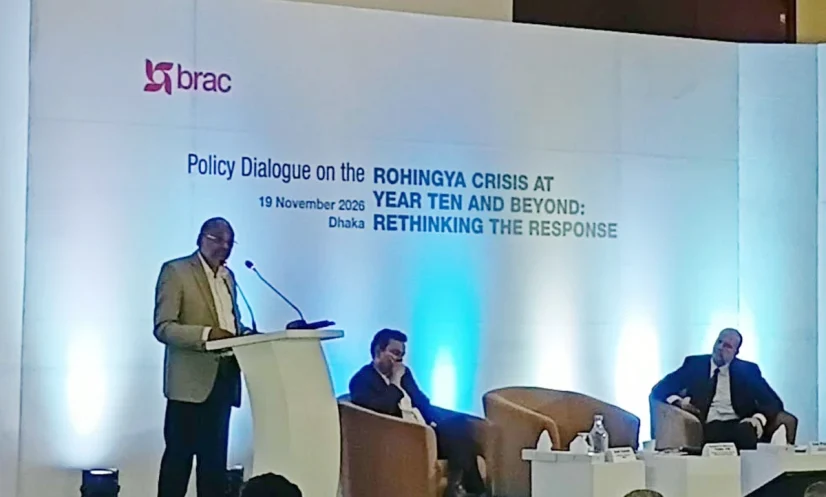
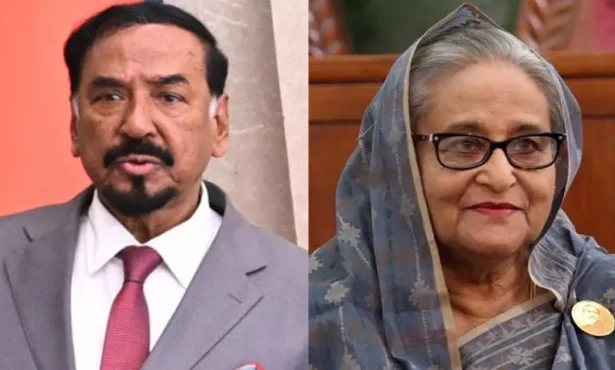
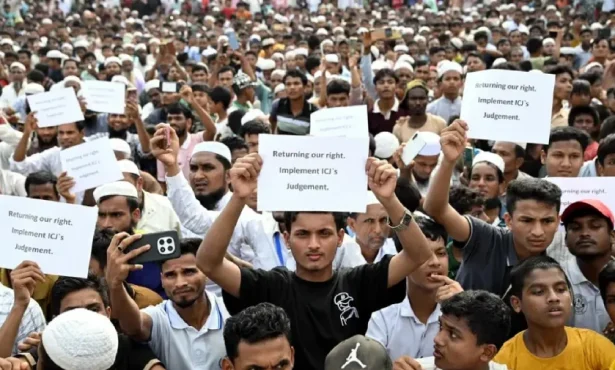
Finance and Planning Adviser Dr Rashed Al Mahmud Titumir has expressed hope that Thursday’s judgment of the International Court of Justice (ICJ) will help establish the legitimate rights of the Rohingya people over atrocities committed against them.
He made the remarks while addressing a policy dialogue titled “A Decade of Rohingya Crisis: Rethinking the Way Forward” at a hotel in Dhaka on Thursday.
Titumir said Bangladesh believes that some Rohingya youths have become so deeply trapped in an existential crisis that they are choosing suicide.
“If the international community has a conscience, it must play an effective role in helping them overcome this crisis,” he said, stressing that ensuring the political rights of the Rohingya was also urgently necessary.
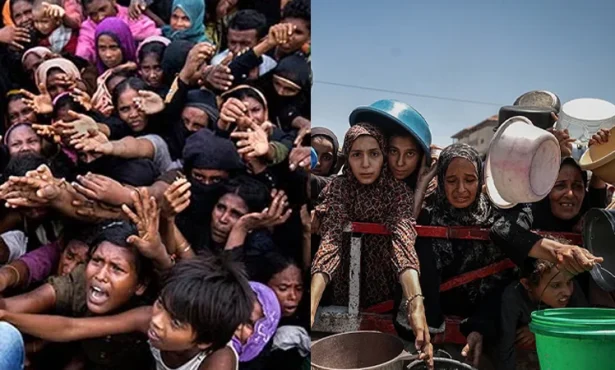
He said the Rohingya population had increased by 37 per cent, while international assistance for them had declined by 34 per cent. The widening gap between needs and available support was making the crisis increasingly complicated, he added.
The international community could not evade its responsibility under the circumstances, the adviser said.
Titumir said the Bangladesh government was making every possible effort to resolve the crisis. Prime Minister Tarique Rahman had already presented a five-point proposal for Rohingya repatriation at the 81st session of the United Nations General Assembly, he added.
He stressed that humanitarian assistance alone would not be enough and that the Rohingya must also be guaranteed their political rights.
Resolving the crisis would require a fundamental shift in the approach of international organisations and countries, alongside arrangements for the early and safe return of the Rohingya to their homeland, he said.
Highlighting the economic burden on Bangladesh, Titumir said the country had sheltered the Rohingya on humanitarian grounds but had to bear enormous costs, putting significant pressure on its limited resources.
He said the burden had become an additional challenge for Bangladesh as it continued its efforts to recover from a fragile economic situation.
The adviser called for a stronger and more effective international response to ensure the Rohingya could return to their homeland as soon as possible.
The policy dialogue was organised following a recent BRAC study, with a keynote paper examining the situation of Rohingya and local youths.
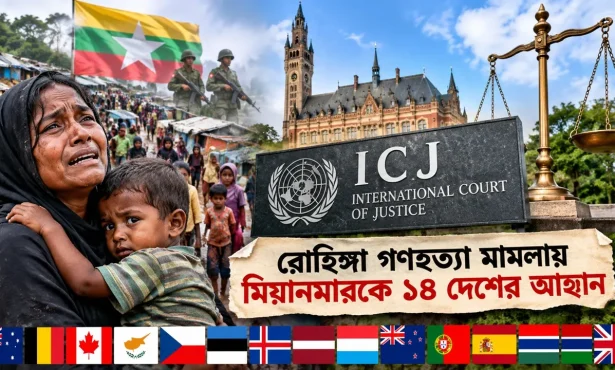
The ICJ is scheduled to deliver its judgment on Thursday in the case concerning allegations of genocide against the Rohingya in Myanmar.