Play store

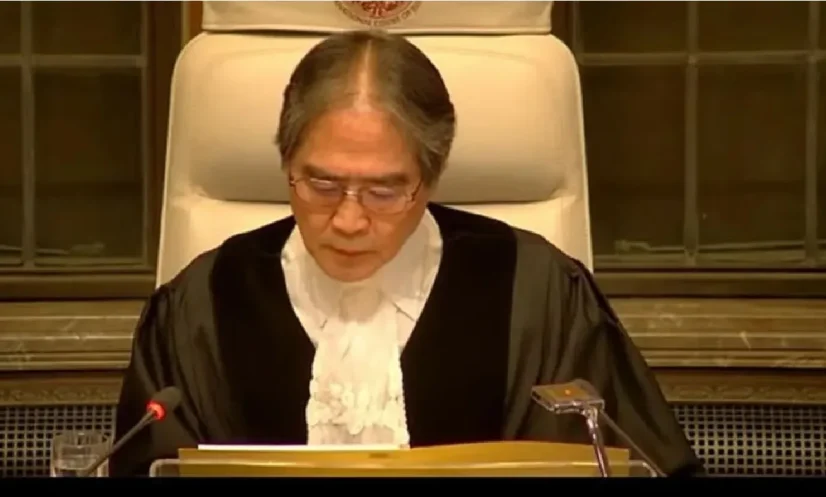
The International Court of Justice (ICJ), the United Nations’ highest judicial body, has ruled that Myanmar committed genocide against its Rohingya Muslim minority during the military crackdown in northern Rakhine State in 2017.
The landmark judgment, delivered in The Hague on Thursday (November 19), marks the first time in its 80-year history that the court has formally held a state responsible for committing genocide.
Reading out the verdict, ICJ President Yuji Iwasawa said Myanmar had committed genocide against the Rohingya in violation of its obligations under the 1948 Convention on the Prevention and Punishment of the Crime of Genocide.
The 15-judge panel ruled by nine votes to six that Myanmar was responsible for the genocide. The court found that the military’s actions, including mass killings, widespread sexual violence, attacks on children and the systematic destruction of Rohingya villages, demonstrated an intention to destroy a substantial part of the community.
The judgment follows a case filed by The Gambia against Myanmar in November 2019, alleging violations of the Genocide Convention during the military operations against the Rohingya in 2017. The case received backing from the Organisation of Islamic Cooperation (OIC), which represents 57 member states.
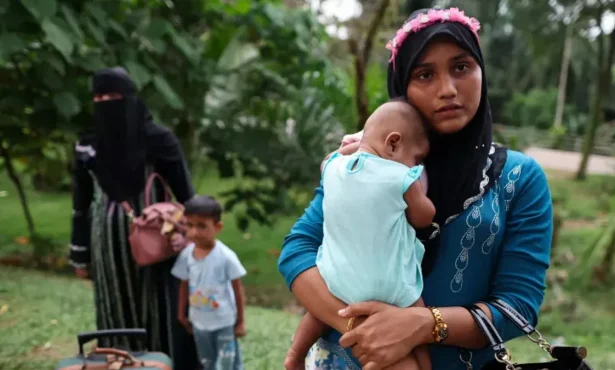
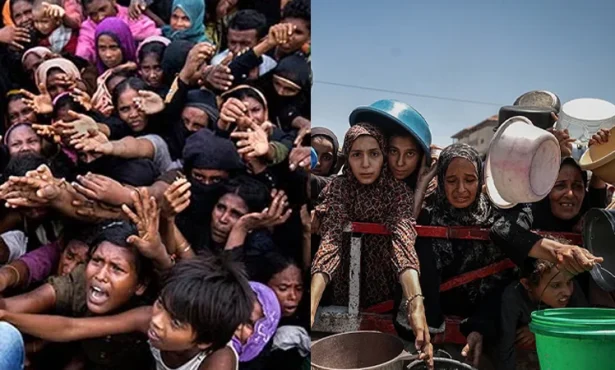
During the military crackdown, more than 700,000 Rohingya fled across the border into Bangladesh to escape widespread violence, killings, rape and the burning of their homes and villages. Many survivors reported horrific atrocities committed by Myanmar’s security forces.
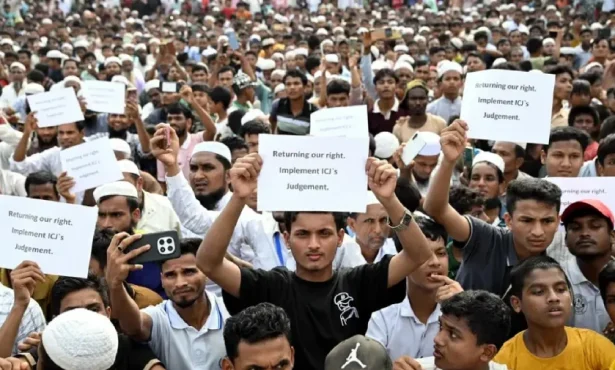
The court ordered Myanmar to ensure the safe, voluntary and dignified return of displaced Rohingya to their places of residence. It also directed the country to compensate victims, with the amount to be determined in subsequent proceedings.
The ruling is being viewed as a historic moment for more than one million Rohingya refugees currently living in Bangladesh, particularly in camps in Cox’s Bazar, who have been waiting for justice and a safe return to their homeland.
Myanmar had rejected the genocide allegations, arguing that its military operations were aimed at combating armed insurgent groups. However, the ICJ rejected the country’s position and established its responsibility under international law.
The verdict is final and binding, although the court has no direct enforcement mechanism. Its implementation will depend largely on international cooperation and diplomatic pressure.
The landmark decision is also expected to have wider implications for international justice, particularly other genocide-related cases pending before the ICJ.