Play store

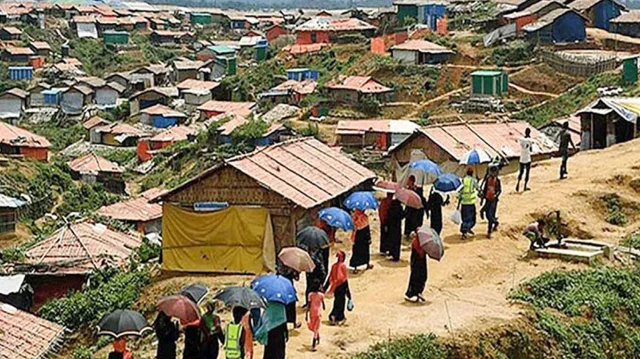
As many as 82.6 per cent of Rohingya youths living in refugee camps in Bangladesh are willing to return to their homeland, provided Myanmar guarantees them citizenship and equal rights, according to a study conducted by BRAC.
The findings were revealed in a study titled “Between Aspiration and Reality: Livelihoods, Camp Life and the Hope of Return”, presented at a policy dialogue in Dhaka on Thursday (November 19).
The study found that 76.7 per cent of Rohingya youths would like to return to Myanmar if favourable conditions were ensured.
However, the figure rises to 82.6 per cent if Myanmar guarantees citizenship and equal rights.
The research also found that 79.3 per cent of Rohingya youths who earn some income expressed willingness to return home, compared with 53.4 per cent of those without income.
Interestingly, 80.2 per cent said they would consider returning even if humanitarian assistance in the camps were reduced, provided Myanmar guaranteed citizenship and equal rights.
Meanwhile, 52.6 per cent said they would prefer to remain in Bangladesh if aid and employment opportunities were withdrawn without fundamental rights being ensured in Myanmar.
The study also highlighted serious challenges facing young Rohingya refugees. Nearly half, or 49.7 per cent, are neither studying nor engaged in any form of employment.
The situation is particularly concerning among young women, with 84.5 per cent neither studying nor working, compared with 14 per cent of young men.
Only 17.9 per cent of the surveyed youths were pursuing education, while 38.4 per cent were involved in livelihood activities.
The research was based on interviews with 576 Rohingya youths aged between 15 and 35 from 12 camps in Ukhiya and Teknaf, alongside another 576 young people from host communities. The survey was conducted in March and April 2025.
The findings also revealed growing economic pressure on host communities.
Around 66.7 per cent of young people from local communities said the Rohingya crisis had negatively affected their livelihoods, while 72.2 per cent considered hosting refugees harmful to their communities.
However, only 23.4 per cent supported forced repatriation.
BRAC officials stressed that reducing humanitarian assistance would not solve the Rohingya crisis. Instead, ensuring citizenship, equal rights, security, education and livelihood opportunities in Myanmar is essential for safe, voluntary and dignified repatriation.
BRAC Executive Director Asif Saleh also warned that shrinking humanitarian assistance and limited opportunities could expose refugees to exploitation and dangerous migration routes.
The study underscores that Rohingya refugees’ return to Myanmar depends not on pressure or cuts in aid but on guarantees of fundamental rights, security and dignity.