Play store

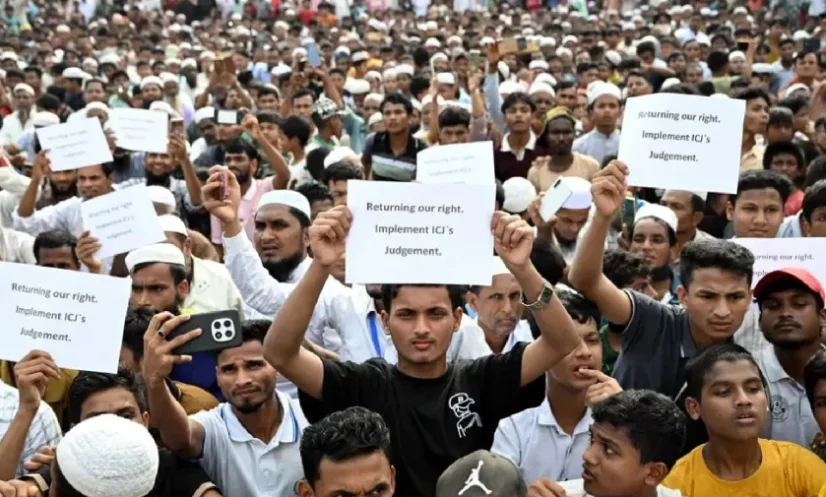
Myanmar’s president’s spokesperson has rejected as “unfair” a landmark ruling by the International Court of Justice (ICJ) holding the country responsible for genocide against the Rohingya community.
The court delivered its ruling on Thursday in a 9-6 vote among its 15 judges, citing evidence of atrocities committed against the Rohingya population.
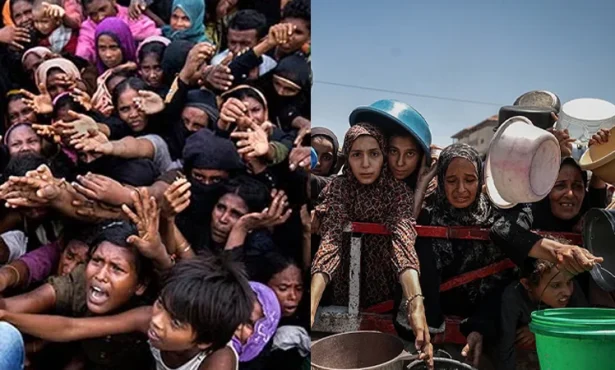
The ICJ president said Myanmar’s security forces had killed thousands of Rohingya civilians, subjected women to widespread sexual violence and committed extreme acts of violence against children.
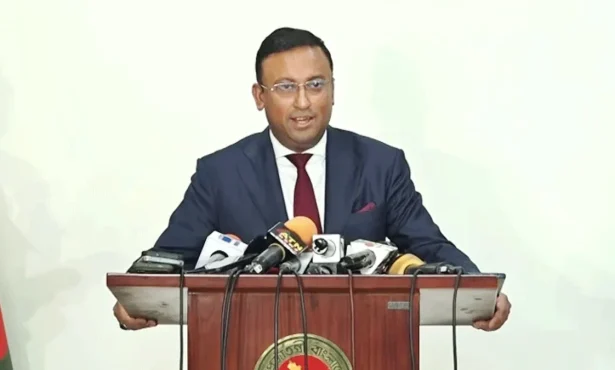
Speaking at a news conference in the capital Naypyidaw on Friday, presidential spokesperson Khaing Khaing Soe criticised the verdict, saying the lack of unanimous support among the judges raised questions about its fairness.
“Despite our efforts, looking at the result, it is clear that not all 15 judges agreed with this decision,” she said.
“It was not a unanimous decision. I would say it is not fair,” she added.
Myanmar has consistently denied allegations of atrocities against the Rohingya during its military operations in Rakhine State in 2017.
The country has maintained that the operation was launched to suppress an insurgency after attacks by armed groups killed around a dozen security personnel.
However, the ICJ rejected Myanmar’s arguments, saying there was no evidence before the court that its forces had distinguished between civilians and alleged Rohingya fighters during the military operations.
Malaysia plans to resettle 10,000 Rohingya in Turkey
Meanwhile, Malaysia is planning to resettle 10,000 Rohingya refugees currently sheltering in the country to Turkey as part of efforts to address its prolonged refugee crisis.
A large proportion of foreign refugees living in Malaysia are from Myanmar.
Malaysian Deputy Prime Minister Ahmad Zahid Hamidi announced the plan in a statement on Friday, saying the cabinet had approved the proposal following his recent official visit to Turkey.
He said the cabinet had agreed to a proposal to relocate 10,000 Rohingya refugees from Malaysia to Turkey through a structured skills-training programme.