Play store

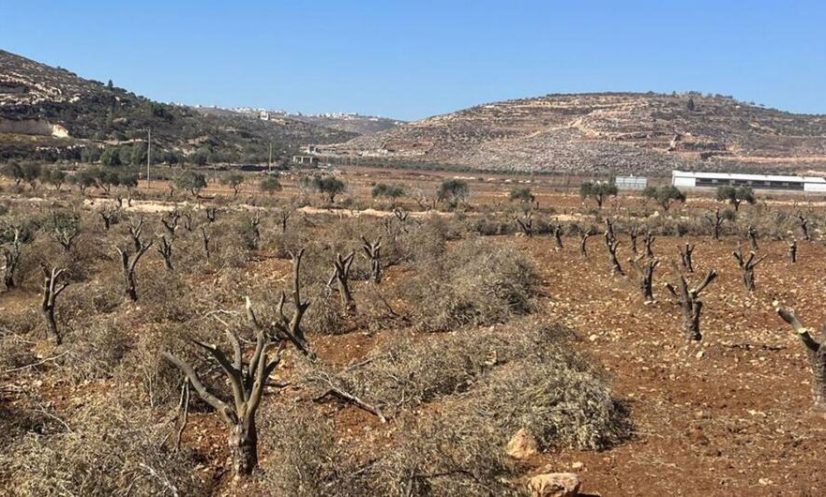
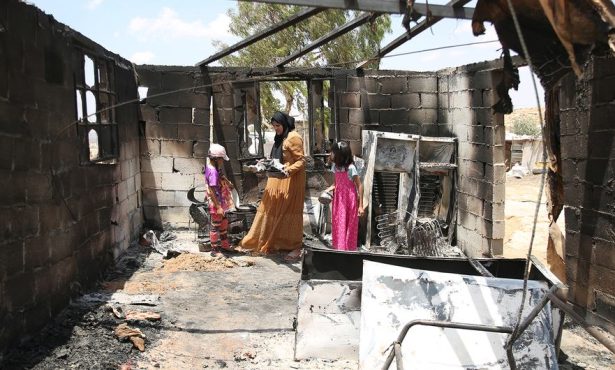
WEST BANK: Israeli settlers have carried out more than 400 attacks causing casualties or property damage during this year’s olive harvest in the occupied West Bank, marking the highest number recorded in any harvest season, according to UN agencies and humanitarian organisations.
Since September, more than 4,000 olive trees and saplings have been damaged, while over 25,000 kilogrammes of produce have been vandalised or stolen, the Humanitarian Country Team for the Occupied Palestinian Territory said on Friday.
The team, comprising heads of UN agencies and representatives of international and Palestinian non-governmental organisations, warned that the violence had also spread to Areas A and B, which were placed under full or partial Palestinian Authority control under the 1995 Oslo II Accords.
Palestinians had experienced fewer such attacks in these areas in previous years, it said, adding that solidarity activists, journalists and diplomats had also been targeted.
The group said repeated calls on Israeli authorities to protect Palestinian farmers and ensure their safe access to olive groves had gone unheeded.
“Instead, we’ve seen acquiescence, support and participation,” it said.
During the first nine months of 2026, Israeli authorities uprooted or otherwise damaged more than 10,000 Palestinian-owned trees and saplings across the West Bank, most of them olive trees.
Since September, more than 400 attacks by Israeli settlers linked to the ongoing olive harvest have resulted in casualties or property damage.
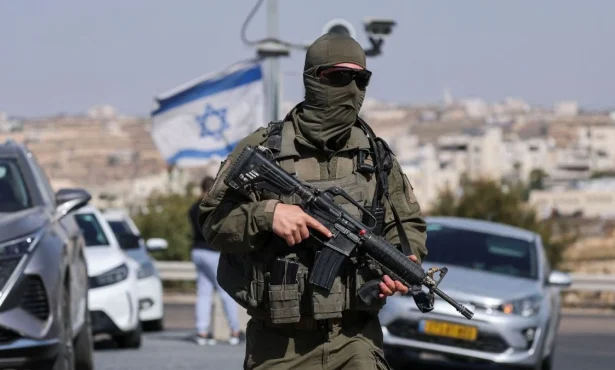
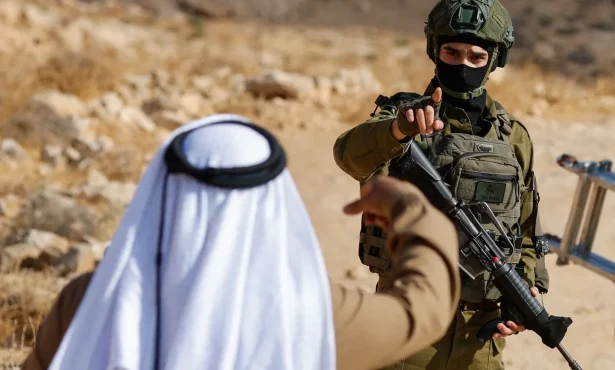
The humanitarian team said Israeli forces were preventing Palestinian landowners from accessing their groves near Israeli settlements and behind the West Bank Barrier unless they obtained prior Israeli authorisation.
Even when access was granted through scheduled arrangements, the permitted periods were often too short and were frequently followed by cancellations, denial of entry, expulsion or attacks.
The team warned that Israeli settlements had expanded so widely that few Palestinian communities remained unaffected by such restrictions. In practice, the restrictions also extended beyond areas marked on Israeli-issued coordination maps.
With thousands of farmers unable to reach their trees, substantial portions of the harvest are being lost.
An estimated 80,000 to 100,000 Palestinian families in the West Bank depend on olives and olive oil for their livelihoods. The sector contributes around 15 per cent of the territory’s agricultural gross domestic product (GDP).
Beyond its economic importance, the olive harvest carries deep social and cultural significance for Palestinian communities.
Restrictions imposed throughout the year prevent farmers from carrying out essential agricultural activities, including pruning, fertilisation and pest control. These constraints gradually reduce tree productivity and future harvests, further undermining livelihoods and food security.
“This year’s harvesting window is closing, but there is still some time to act,” the humanitarian team said.
It urged Israeli authorities in the strongest possible terms to end all attacks on Palestinians and their livelihoods, as required under international law, and ensure farmers have free, safe, sufficient and reliable access to their land.
The group also called for farmers to be allowed to bring necessary supplies and equipment to their groves and transport their harvest without obstruction.
“Perpetrators must be stopped and held to account,” it said, urging UN member states to use their influence to ensure that these measures are implemented promptly and maintained throughout the year. Source: UN News