Play store

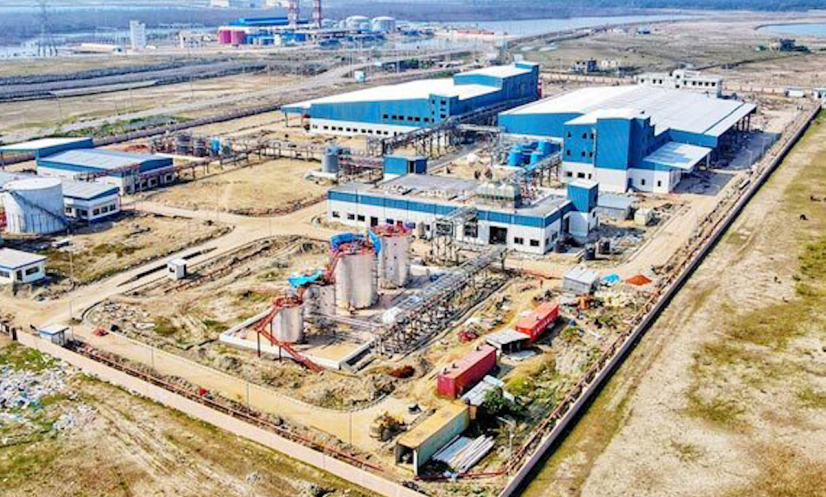
India has dismissed speculation that its ongoing development projects in Bangladesh could be cancelled, reaffirming that all bilateral development cooperation programmes are being implemented on the basis of mutual consultation and will continue in the same manner.
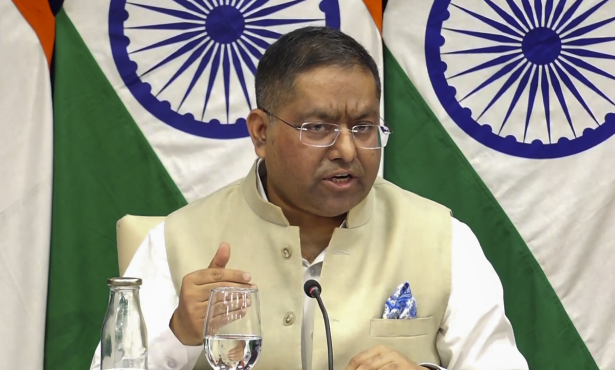
The clarification came on Tuesday during the Indian Ministry of External Affairs’ (MEA) weekly media briefing in New Delhi, where ministry spokesperson Randhir Jaiswal responded to questions about the future of Indian-funded projects in Bangladesh.
Uncertainty over the projects had emerged in sections of the media following the political transition in Bangladesh on August 5, 2024. New Delhi’s latest remarks sought to dispel concerns that the change in Bangladesh’s political landscape would affect bilateral development cooperation.
Asked whether political developments and instability in Bangladesh could delay or halt Indian-assisted projects, Jaiswal said the programmes had been conceived through mutual discussions between the two governments and continued to be implemented on that basis.
He reiterated a position expressed last week, saying India’s financial and technical assistance for development projects in Bangladesh is guided by a jointly agreed bilateral roadmap, which is reviewed regularly by both countries.
According to the Indian Ministry of External Affairs, Bangladesh is India’s largest development partner. Over the past eight years, India has extended three Lines of Credit (LoCs) worth nearly US$8 billion to support infrastructure development, including roads, railways, waterways and ports.
Major projects implemented with Indian financial assistance and technical cooperation include the Akhaura-Agartala cross-border rail link, the railway connection to Mongla Port, the Maitree Super Thermal Power Plant, and the India-Bangladesh Friendship Pipeline.
Beyond large infrastructure projects, India is implementing 93 community development initiatives in Bangladesh worth more than US$50 million, covering sectors such as education, healthcare, vocational training and social welfare.
The two countries also maintain close cooperation in the energy sector, with Bangladesh importing around 1,160 megawatts of electricity from India.
Jaiswal said the bilateral development programmes are being carried forward under a structured roadmap that is reviewed regularly by the joint technical committees of both countries. He expressed hope that the projects would continue to advance on the basis of mutual understanding and shared interests, reflecting t