


 Play store

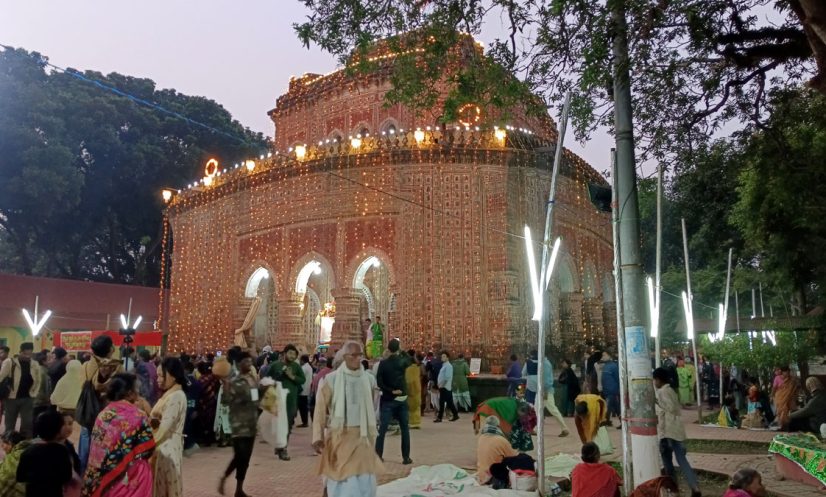
The historic Kantaji Temple in Dinajpur, renowned for its distinctive architectural beauty, has become a vibrant gathering place as its traditional month-long Rash festival gets underway.
The 274-year-old celebration, rooted in the religious traditions of the royal family, draws thousands of devotees, pilgrims and tourists from home and abroad.
Hindu devotees are gathering at the temple to worship Lord Krishna and Radha, with many believing that prayers offered during the festival can fulfil their wishes.
Manjurul Islam, a member of parliament from Dinajpur-1, inaugurated the festival on Tuesday evening (November 24). Since then, the temple premises and surrounding areas have taken on a festive atmosphere.
Dating back to the reign of Maharaja Prannath, the Rash festival is more than a religious celebration; it is an important part of the history, heritage and culture of northern Bangladesh.
Completed in 1752, Kantaji Temple is famous for its exquisite terracotta artwork and distinctive architectural design, attracting visitors throughout the year. The annual festival adds to its appeal.
Rita Rani, a devotee attending the festival, said she visits the temple whenever possible during the Rash Mela. She believes that prayers and vows made there can bring fulfilment. She visited with family members and prayed for the well-being of her family and the country.
Ranjit Singh, agent of the Dinajpur Raj Debottor Estate, said the festival had been observed according to royal traditions for 274 years.
He said arrangements had been made to ensure the safety of visitors, with 80 police personnel deployed alongside volunteers and round-the-clock monitoring. The organising committee has taken measures to allow devotees to worship and visitors to enjoy the fair without disruption.
As part of the preparations, a religious procession was held on November 22 despite adverse weather. The deities of Sri Sri Rukmini-Kantajiu were carried in a palanquin under tight security from the Dinajpur Rajbari Temple to the Kantanagar Temple, drawing enthusiastic participation from devotees.
The month-long celebration is expected to turn the temple grounds into a vibrant meeting point of religious devotion, cultural heritage and festivity.