


 Play store

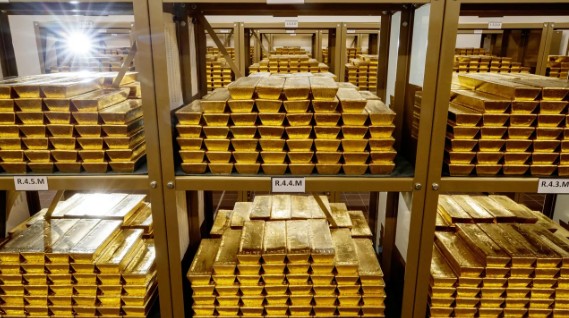
Central banks around the world purchased 321 tonnes of gold in the third quarter of this year, marking a 42 per cent increase from the same period last year.
The purchases between July and September were the highest quarterly total since the fourth quarter of 2024.
The World Gold Council (WGC) disclosed the figures in a report published on November 3. According to the report, central banks’ total gold purchases reached 675 tonnes in the first nine months of this year, up 6 per cent from the corresponding period last year.
The report said central banks were increasing their gold reserves to diversify foreign exchange holdings and protect against economic risks. Volatility in international markets and uncertainty surrounding the global economy were also driving their growing interest in the precious metal.
Gold has long been regarded as one of the safest assets for preserving wealth. Holding gold as part of foreign exchange reserves enables countries to retain the value of a portion of their assets amid fluctuations in international currency markets and periods of economic uncertainty.
The report also noted increased investment in gold-backed funds alongside purchases by central banks. Such funds added 211 tonnes of gold in the third quarter of this year.