Play store

DHAKA: The minimum wages of workers in Bangladesh’s readymade garment (RMG) sector have increased by 36 to 43 per cent across different grades within just three years of the last revision in 2023.
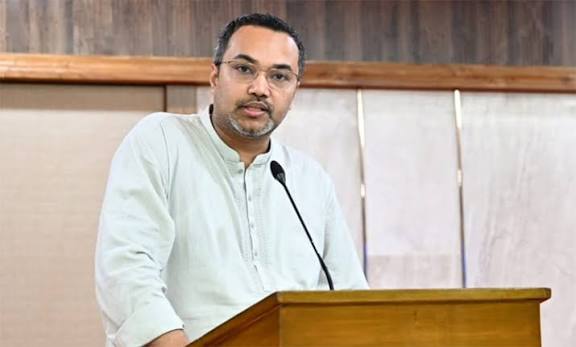
Describing the increase as a significant step towards improving workers’ incomes, living standards and socioeconomic security, Prime Minister’s Adviser on Labour and Employment and Expatriates’ Welfare and Overseas Employment Mahdi Amin said on Wednesday that workers would also receive their entitled overtime payments and bonuses alongside the revised minimum wages.
This would provide additional financial benefits beyond their basic salaries and increase their total monthly earnings, he added.
Mahdi Amin, also spokesperson for the Prime Minister’s Office, shared the information in a Facebook post on Wednesday afternoon.
In his post, he said the global success of Bangladesh’s garment industry had been built on the tireless efforts, skills, sacrifices and dedication of its workers. The ‘Made in Bangladesh’ label had become a symbol of the country’s capabilities, achievements and reputation in international markets through their hard work, he added.
Every achievement of the industry, he said, was closely linked to the lives of workers, the struggles of their families and the future of factories. Ensuring fair wages, dignity, workplace safety and better living standards for workers was therefore not merely an economic necessity but also a moral and collective responsibility.
Mahdi Amin said the new wage structure had been determined through consensus among all parties represented on the Minimum Wage Board for the RMG sector, keeping workers’ living costs, needs and reasonable expectations in mind.
The decision was made after considering overall economic realities, including current inflation, the cost of living, the industry’s financial capacity and wage structures in competing countries in the international market, he added.
Under the revised wage structure, the monthly minimum wage for Grade-1 workers has been set at Tk 21,500, up from Tk 15,035, representing a 43 per cent increase.
This grade covers senior operators in sewing, cutting, ironing and finishing, as well as pattern makers, sample makers, screen printers and senior dyeing operators.
For Grade-2 workers, the minimum monthly wage has been fixed at Tk 20,000, compared with Tk 14,273 previously, marking an increase of 40.11 per cent.
This category includes operators in sewing, cutting, finishing and quality control, senior helpers, senior collar joiners and senior cuff makers.
The minimum monthly wage for Grade-3 workers has been raised to Tk 19,200 from Tk 13,550, an increase of 41.70 per cent.
This grade includes junior operators, experienced helpers, folders, packers, tagging workers and sewing assistants.
For the lowest category, Grade-4, the minimum monthly wage has been set at Tk 17,000, up from Tk 12,500, representing a 36 per cent increase. This category covers helpers, thread cutters and line assistants.
Mahdi Amin said workers were the driving force of the country’s economy and one of the main pillars of its export success.
Workers’ welfare and the prosperity of the industry were complementary, he said, adding that a strong and competitive industrial sector could ensure long-term employment, fair wages and better opportunities for workers.
Maintaining the industry’s capacity and stability was essential to protecting employment, investment and export growth, he added.
The government wants to build an RMG industry where workers enjoy fair rights, dignity and improved living standards, entrepreneurs have confidence in investment and production, employment opportunities expand rather than unemployment rise, and Bangladesh strengthens its position in international markets, Mahdi Amin said.
He said the government’s main objective was to strike a balance between fair wages for workers, the financial capacity of employers and the country’s broader economic interests.
Bangladesh’s economic prosperity and a better future could be secured through workers’ well-being, dignity in the workplace and sustainable industrial progress, he added.
The adviser thanked the Minimum Wage Board, workers’ representatives and employers’ representatives for agreeing on a new wage structure that reflects public expectations and is acceptable to all parties.
Calling on both workers and employers to maintain mutual respect, trust, tolerance and cooperation, he urged them to ensure a productive and cordial working environment.
He also called on both sides not to be influenced by misinformation, provocation or confusion, and to maintain normal production activities and discharge their respective responsibilities in a responsible manner.
Mutual trust and collective efforts between workers and employers would help the garment industry move forward and strengthen the economy of a self-reliant Bangladesh, Mahdi Amin said.